


Introduction
When you receive your lipid profile test results, you usually notice LDL, HDL, and total cholesterol. But there’s another important number that often gets less attention — vldl cholesterol.
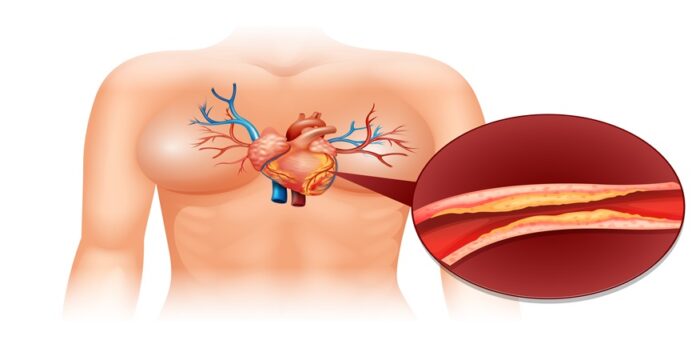
Even though it’s not discussed as often as LDL or HDL, this type of cholesterol plays a major role in heart health. Elevated levels can quietly increase your risk of heart disease, stroke, and other serious complications.
In this complete guide, we’ll break down what it is, why it matters, what your numbers mean, and how you can keep it within a healthy range.
What Is VLDL Cholesterol?
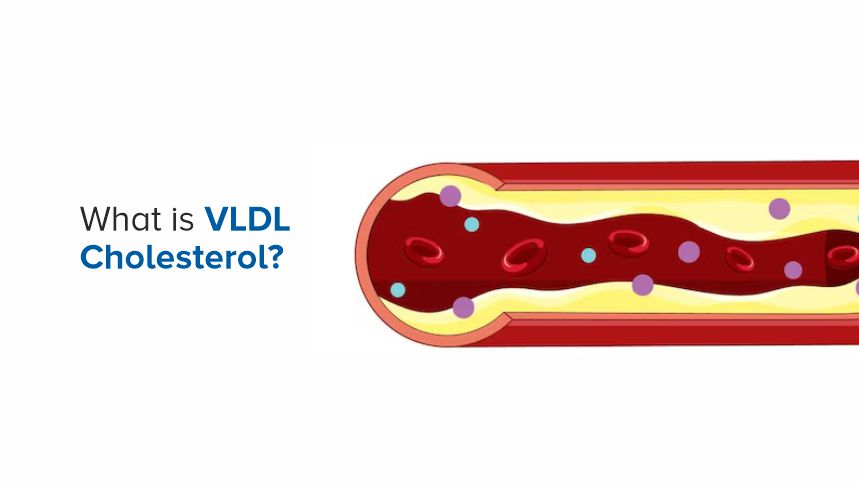
Very Low-Density Lipoprotein (VLDL) is a type of lipoprotein made by the liver. Its main job is to transport triglycerides (a type of fat) through your bloodstream to tissues throughout the body.
Unlike HDL (often called “good cholesterol”), VLDL carries fats that can contribute to plaque buildup in arteries. That’s why vldl cholesterol is often considered part of the “bad” cholesterol family.
Why Is VLDL Cholesterol Important?
VLDL cholesterol carries triglycerides in the blood. High levels can increase plaque buildup in arteries, raising the risk of heart disease and stroke. Keeping VLDL levels within a healthy range supports better cardiovascular health.
How VLDL Works in the Body
To understand its impact, it helps to see how the process works:
-
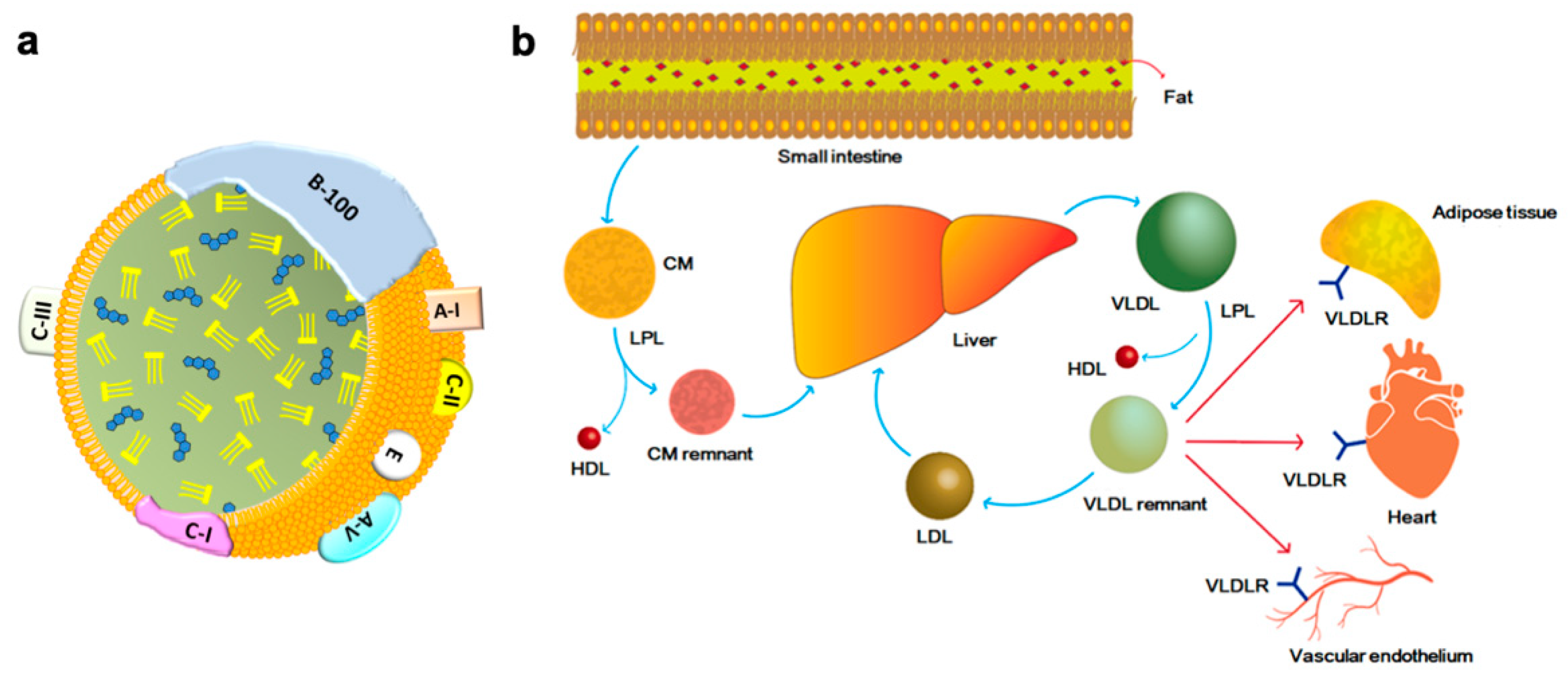
The liver produces VLDL particles.
-
These particles transport triglycerides into the bloodstream.
-
As triglycerides are delivered to tissues, VLDL shrinks.
-
Eventually, VLDL can turn into LDL cholesterol.
Because of this transformation, high vldl cholesterol often contributes to higher LDL levels as well.
Normal VLDL Cholesterol Levels
VLDL is usually calculated indirectly in blood tests rather than measured directly.
Normal Range:
-
5 to 40 mg/dL (milligrams per deciliter)
Doctors often estimate VLDL by dividing triglyceride levels by 5.
For example:
If triglycerides = 150 mg/dL
Estimated VLDL = 150 ÷ 5 = 30 mg/dL
Higher numbers may indicate increased cardiovascular risk.
Table: Understanding Cholesterol Types
| Cholesterol Type | Main Function | Healthy Range | Risk Level |
|---|---|---|---|
| HDL | Removes excess cholesterol | 40–60+ mg/dL | Protective |
| LDL | Delivers cholesterol to tissues | Below 100 mg/dL | High if elevated |
| VLDL | Transports triglycerides | 5–40 mg/dL | Risk increases if high |
| Triglycerides | Stores unused calories | Below 150 mg/dL | High if elevated |
Causes of High VLDL Cholesterol
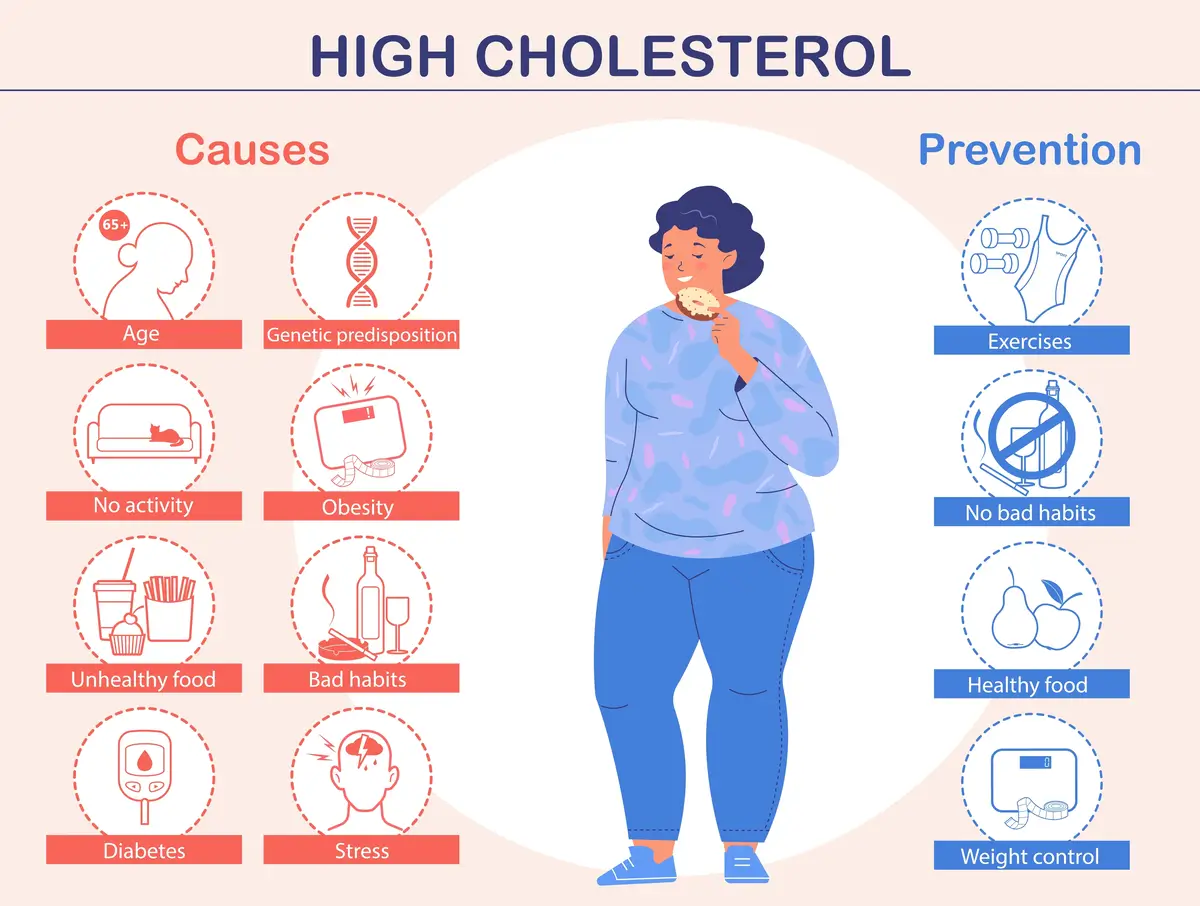
Several lifestyle and medical factors can increase vldl cholesterol levels.
1. High Triglycerides
Because VLDL carries triglycerides, elevated triglycerides automatically raise VLDL levels.
2. Obesity
Excess body fat, especially around the abdomen, increases triglyceride production.
3. Type 2 Diabetes
Poor blood sugar control leads to higher fat production in the liver.
4. Poor Diet
High intake of sugar, refined carbs, and saturated fats can raise levels.
5. Excess Alcohol Consumption
Alcohol significantly increases triglyceride production.
6. Lack of Exercise
Physical inactivity slows fat metabolism.
7. Genetic Factors
Some individuals inherit conditions that cause elevated cholesterol.
Symptoms of High VLDL Cholesterol
Here’s the tricky part — high vldl cholesterol usually causes no direct symptoms.
Most people discover elevated levels during routine blood tests.
However, long-term high levels may lead to:
-
Chest pain
-
Shortness of breath
-
Fatigue
-
Stroke symptoms
-
Heart attack
This is why regular lipid screening is crucial.
Health Risks Associated with High VLDL
1. Atherosclerosis
Excess VLDL contributes to plaque buildup in artery walls.
2. Heart Disease
Blocked arteries increase heart attack risk.
3. Stroke
Plaque can restrict blood flow to the brain.
4. Pancreatitis
Very high triglyceride levels may inflame the pancreas.
Managing vldl cholesterol is essential for reducing these risks.
VLDL vs LDL vs HDL: What’s the Difference?
| Feature | VLDL | LDL | HDL |
|---|---|---|---|
| Type | Bad cholesterol | Bad cholesterol | Good cholesterol |
| Carries | Triglycerides | Cholesterol | Removes cholesterol |
| Risk | Raises plaque risk | Raises plaque risk | Protects heart |
While LDL gets most of the attention, elevated VLDL also contributes significantly to cardiovascular disease.
How to Lower VLDL Cholesterol Naturally
The good news? Lifestyle changes can dramatically reduce vldl cholesterol levels.
1. Reduce Sugar Intake
Cut back on sugary drinks, sweets, and refined carbs.
2. Increase Fiber
Whole grains, fruits, and vegetables help reduce triglycerides.
3. Exercise Regularly
Aim for at least 150 minutes of moderate activity per week.
4. Lose Excess Weight
Even losing 5–10% of body weight can lower triglycerides.
5. Choose Healthy Fats
Opt for:
-
Olive oil
-
Avocados
-
Nuts
-
Fatty fish
6. Limit Alcohol
Alcohol significantly impacts triglyceride levels.
Consistent lifestyle changes can lower vldl cholesterol within weeks to months.
Medical Treatment Options
If lifestyle changes are not enough, doctors may recommend medications:
-
Statins
-
Fibrates
-
Niacin
-
Omega-3 fatty acid supplements
Medication decisions depend on overall heart risk, not just cholesterol numbers.
How Long Does It Take to Lower VLDL?
With proper diet and exercise, improvements may be seen in:
-
4 to 12 weeks for noticeable reduction
-
3 to 6 months for significant improvement
Regular blood tests track progress.
Who Is at Higher Risk?
You may have a higher chance of elevated vldl cholesterol if you:
-
Have metabolic syndrome
-
Have type 2 diabetes
-
Are overweight
-
Consume high-sugar diets
-
Lead a sedentary lifestyle
Early prevention makes a huge difference.
Prevention Tips for Healthy Levels
-
Get a lipid profile every year after age 20
-
Maintain a balanced diet
-
Stay physically active
-
Manage stress
-
Sleep at least 7 hours per night
Small daily habits create long-term heart protection.
How Can You Reduce VLDL Cholesterol Quickly?
To reduce VLDL cholesterol quickly:
-
Cut added sugars and refined carbs
-
Increase physical activity
-
Lose excess weight
-
Limit alcohol
-
Follow medical advice if medication is prescribed
Lifestyle adjustments are the most effective long-term strategy.
When Should You See a Doctor?
Consult your healthcare provider if:
-
Your triglycerides exceed 200 mg/dL
-
You have a family history of heart disease
-
You experience chest pain or breathlessness
-
You have diabetes or metabolic syndrome
Regular monitoring ensures early intervention.
Conclusion
Cholesterol numbers can feel confusing, but understanding them empowers you to take control of your health.
While HDL protects your heart and LDL often gets the blame, vldl cholesterol plays an equally important role in cardiovascular risk. Elevated levels may silently increase plaque buildup, but the condition is highly manageable with the right lifestyle habits.
The most encouraging part? You have significant control over this number. Healthy eating, regular exercise, weight management, and routine checkups can dramatically reduce risk and protect your heart for years to come.
Your heart works for you every second of the day — giving it the support it deserves is one of the best investments you can make in your long-term health.
Read More:-Grade 1 Fatty Liver: Early Signs and How to Reverse It