


Introduction
Liver health often doesn’t get the attention it deserves—until something goes wrong. One of the most common liver conditions today is fatty liver disease. If you’ve recently been diagnosed with grade 1 fatty liver, you might feel worried or confused. The good news? This is the earliest and mildest stage, and it is usually reversible with the right lifestyle changes.
In this detailed guide, we’ll explore everything you need to know about grade 1 fatty liver, including its causes, early symptoms, diagnosis, diet, treatment options, and practical steps you can take to reverse it naturally.
What Is Grade 1 Fatty Liver?

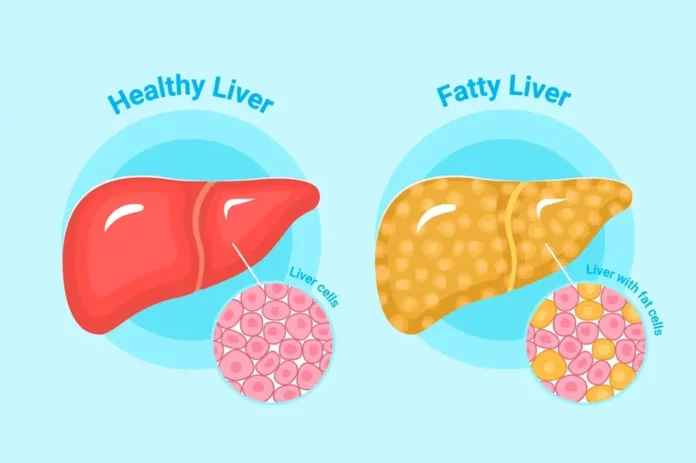
Fatty liver disease occurs when excess fat builds up in liver cells. A healthy liver contains a small amount of fat, but when fat makes up more than 5–10% of the liver’s weight, it is considered fatty liver.
Understanding Fatty Liver Disease
There are two main types of fatty liver disease:
-
Non-Alcoholic Fatty Liver Disease (NAFLD) – Not caused by alcohol. It is commonly linked to obesity, diabetes, and metabolic issues.
-
Alcoholic Fatty Liver Disease – Caused by excessive alcohol consumption.
Most people diagnosed with grade 1 fatty liver have the non-alcoholic type.
What Does “Grade 1” Mean?
Fatty liver disease is classified into grades based on severity:
| Grade | Severity Level | Description |
|---|---|---|
| Grade 1 | Mild | Slight fat accumulation in liver cells |
| Grade 2 | Moderate | Noticeable fat buildup and mild inflammation |
| Grade 3 | Severe | Heavy fat accumulation with possible liver damage |
In grade 1 fatty liver, fat deposits are minimal and usually do not cause permanent liver damage. This stage is often detected during a routine ultrasound.
What Causes Grade 1 Fatty Liver?
Several lifestyle and health factors contribute to fat buildup in the liver.
1. Poor Diet
-
High intake of junk food
-
Excess sugar and refined carbs
-
Sugary drinks
-
Processed foods
2. Obesity and Belly Fat
Excess abdominal fat is strongly linked to grade 1 fatty liver because it increases insulin resistance and fat storage in the liver.
3. Diabetes and Insulin Resistance
People with type 2 diabetes are at higher risk because their bodies struggle to regulate blood sugar levels.
4. High Cholesterol and Triglycerides
Elevated blood fats contribute to liver fat accumulation.
5. Lack of Physical Activity
A sedentary lifestyle slows metabolism and promotes fat storage.
Early Signs and Symptoms of Grade 1 Fatty Liver
One of the biggest challenges with grade 1 fatty liver is that it often has no clear symptoms.
Common Mild Symptoms
Some people may experience:
-
Fatigue
-
Mild discomfort in the upper right abdomen
-
Feeling of heaviness after meals
-
Slight bloating
However, most individuals feel completely normal.
Why It’s Often Silent
The liver is a resilient organ. It can function normally even when fat starts accumulating. That’s why many cases are discovered accidentally during:
-
Routine health checkups
-
Ultrasound scans
-
Blood tests showing mildly elevated liver enzymes
How Is Grade 1 Fatty Liver Diagnosed?
1. Blood Tests
Doctors may check:
-
ALT (Alanine aminotransferase)
-
AST (Aspartate aminotransferase)
Mild elevations may indicate fatty liver.
2. Ultrasound
Ultrasound is the most common method used to detect grade 1 fatty liver. It shows mild brightness in liver tissue due to fat deposits.
3. Advanced Imaging (If Needed)
In rare cases:
-
CT Scan
-
MRI
-
FibroScan
These are usually done if doctors suspect progression.
What Is Grade 1 Fatty Liver?
Grade 1 fatty liver is the mildest stage of fatty liver disease, where small amounts of fat accumulate in liver cells without causing significant inflammation or permanent damage. It is usually reversible through diet, exercise, and lifestyle changes.
Is Grade 1 Fatty Liver Dangerous?
On its own, this condition is not immediately dangerous. However, ignoring it can lead to:
-
Grade 2 fatty liver
-
Liver inflammation (steatohepatitis)
-
Fibrosis
-
Cirrhosis (in severe cases)
The key point is early action. If managed properly, grade 1 fatty liver can be completely reversed.
Can Grade 1 Fatty Liver Be Reversed?

Yes, it can.
Unlike advanced liver disease, grade 1 fatty liver does not usually cause permanent damage. With consistent lifestyle changes, the liver can return to normal within months.
How Long Does It Take?
-
Mild cases: 3–6 months
-
With strict diet and exercise: improvement may be seen sooner
Consistency is more important than speed.
Best Diet for Grade 1 Fatty Liver
Diet plays a major role in reversing this condition.
Foods to Eat
| Food Category | Examples | Benefits |
|---|---|---|
| Vegetables | Spinach, broccoli, carrots | Reduce inflammation |
| Fruits | Apples, berries, papaya | Provide antioxidants |
| Whole Grains | Oats, brown rice, quinoa | Improve insulin sensitivity |
| Lean Protein | Lentils, tofu, eggs, fish | Support liver repair |
| Healthy Fats | Nuts, seeds, olive oil | Reduce bad cholesterol |
Foods to Avoid
-
Fried foods
-
Fast food
-
White bread and refined flour
-
Sugary drinks
-
Excess sweets
-
Alcohol
Reducing sugar intake is especially important in managing grade 1 fatty liver.
Sample One-Day Diet Plan
Breakfast
-
Oatmeal with chia seeds
-
Green tea
Mid-Morning Snack
-
Apple or handful of almonds
Lunch
-
Brown rice
-
Mixed vegetable curry
-
Dal or grilled paneer
Evening Snack
-
Roasted chickpeas
Dinner
-
Vegetable soup
-
Grilled tofu or fish
-
Salad
Exercise Plan to Reverse Grade 1 Fatty Liver
Physical activity helps burn stored fat in the liver.
Recommended Routine
-
30–45 minutes brisk walking (5 days/week)
-
Strength training 2–3 times weekly
-
Yoga for stress reduction
Even losing 5–7% of body weight can significantly improve grade 1 fatty liver.
Weight Loss and Fatty Liver
Gradual weight loss is important. Rapid weight loss may worsen liver issues.
Healthy Goal
-
0.5 to 1 kg per week
-
Avoid crash diets
Sustainable weight loss improves liver enzymes and reduces fat buildup.
Natural Remedies That May Help
While lifestyle changes are the foundation, some natural options may support liver health.
1. Lemon Water
May support digestion and hydration.
2. Green Tea
Rich in antioxidants that may help reduce liver fat.
3. Turmeric
Contains curcumin, known for anti-inflammatory properties.
Always consult your doctor before starting supplements.
Stress and Sleep: Hidden Factors
Chronic stress increases cortisol, which promotes fat storage. Poor sleep also affects metabolism.
Improve Sleep By:
-
Sleeping 7–8 hours
-
Reducing screen time before bed
-
Maintaining a fixed sleep schedule
Managing stress is an overlooked step in reversing grade 1 fatty liver.
Prevention Tips for Long-Term Liver Health
Even after improvement, maintaining healthy habits is essential.
Key Prevention Steps
-
Maintain healthy weight
-
Exercise regularly
-
Eat balanced meals
-
Avoid alcohol
-
Monitor cholesterol levels
-
Get annual liver checkups
How to Reverse Grade 1 Fatty Liver Naturally
To reverse grade 1 fatty liver naturally, focus on weight loss, a low-sugar balanced diet, regular exercise, stress management, and avoiding alcohol. Most people see improvement within 3 to 6 months with consistent lifestyle changes.
Frequently Asked Questions
1. Can grade 1 fatty liver cause pain?
Usually, it does not cause severe pain. Mild discomfort may occur in some cases.
2. Is medication required?
Most cases do not require medication. Lifestyle changes are the primary treatment for grade 1 fatty liver.
3. Can I live a normal life?
Yes. With proper care, you can live a completely normal and healthy life.
4. Is it permanent?
No. In early stages, it is reversible.
When to See a Doctor
Seek medical advice if you notice:
-
Persistent abdominal pain
-
Yellowing of skin (jaundice)
-
Severe fatigue
-
Swelling in legs
These may indicate progression beyond grade 1 fatty liver.
Conclusion
Being diagnosed with grade 1 fatty liver can feel alarming, but it is actually an opportunity—a warning sign that your body needs attention. The liver has an incredible ability to heal itself if given the right environment.
By making small but consistent changes in your diet, increasing physical activity, managing stress, and monitoring your health regularly, you can reverse the condition and protect your liver for the long term.
The key is not panic—it’s action.
If you start today, your liver will thank you tomorrow.