


Introduction
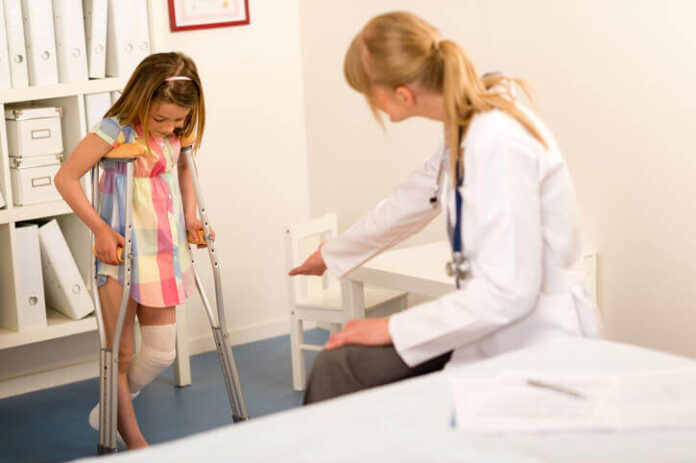
When it comes to children’s health, specialized care matters. Kids are not just “small adults.” Their bones, joints, and muscles are still growing, which means injuries and conditions must be handled differently. That’s where a pediatric orthopedic surgeon plays a critical role.
From broken bones and sports injuries to congenital deformities and spine conditions, these specialists are trained to diagnose and treat musculoskeletal problems in infants, children, and teenagers.
In this comprehensive guide, we’ll explore what a pediatric orthopedic surgeon does, when to see one, common treatments, recovery expectations, and how to choose the right doctor for your child.
What Is a Pediatric Orthopedic Surgeon?
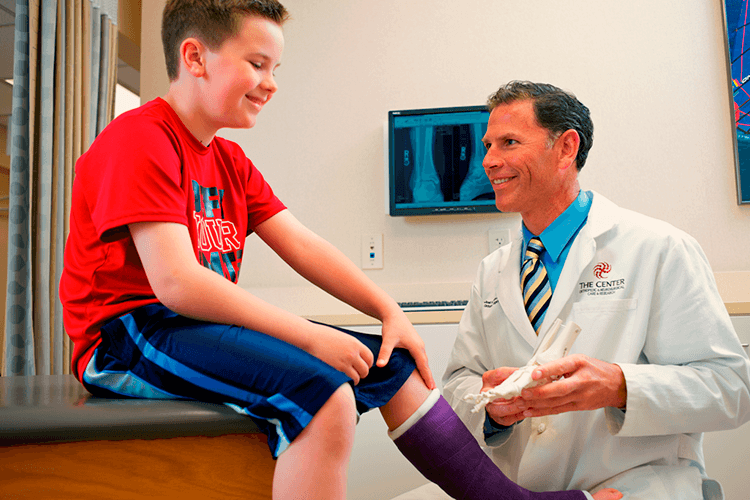
A pediatric orthopedic surgeon is a medical doctor who specializes in diagnosing and treating bone, joint, ligament, tendon, and muscle conditions in children.
After completing medical school, they undergo:
-
Orthopedic surgery residency
-
Specialized pediatric orthopedic fellowship training
Organizations like the American Academy of Orthopaedic Surgeons recognize pediatric orthopedics as a highly specialized field requiring advanced training.
What Does a Pediatric Orthopedic Surgeon Do?
A pediatric orthopedic surgeon treats bone and joint conditions in children, including fractures, scoliosis, congenital deformities, sports injuries, and growth plate problems, using both surgical and non-surgical methods.
Why Children Need Specialized Orthopedic Care

Children’s bones grow from areas called growth plates. These soft areas are vulnerable to injury and require careful monitoring. Treating a child’s fracture the same way as an adult’s could affect long-term growth.
Specialists at leading institutions like Mayo Clinic emphasize that early intervention prevents long-term complications.
Conditions Treated by a Pediatric Orthopedic Surgeon
A pediatric orthopedic surgeon manages a wide range of conditions.
1. Fractures and Broken Bones
Children commonly break bones during:
-
Playground activities
-
Sports
-
Accidental falls
Growth plate fractures need precise treatment to avoid future deformities.
2. Scoliosis and Spine Conditions
Scoliosis is a sideways curvature of the spine that often develops during growth spurts. Treatment options include:
-
Bracing
-
Physical therapy
-
Surgery (in severe cases)
3. Developmental Dysplasia of the Hip (DDH)
This occurs when the hip joint doesn’t form properly in infants. Early detection is crucial to prevent walking issues later.
4. Clubfoot
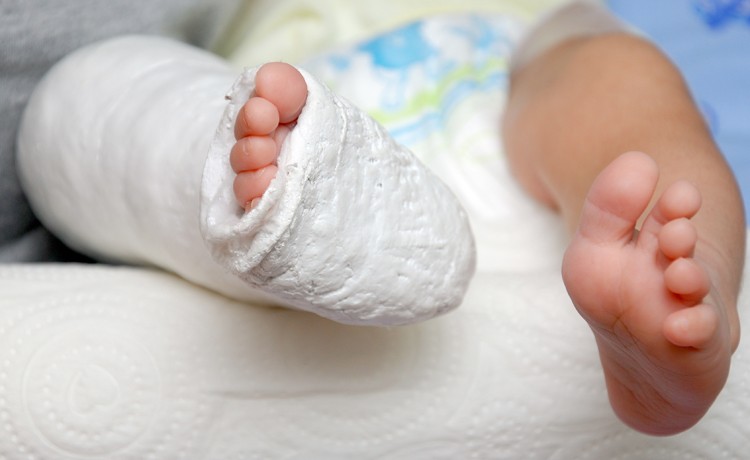
Clubfoot is a congenital condition where a baby’s foot is twisted inward. Early casting often corrects the condition without surgery.
5. Sports Injuries
Young athletes frequently experience:
-
ACL tears
-
Stress fractures
-
Tendon injuries
A pediatric orthopedic surgeon understands how to treat these injuries without affecting growth.
6. Limb Length Differences
Sometimes one leg grows longer than the other. Monitoring and corrective procedures may be needed.
When Should You See a Pediatric Orthopedic Surgeon?
Parents often wonder when it’s necessary to consult a specialist.
Warning Signs Include:
-
Persistent joint pain
-
Limping without clear injury
-
Visible bone deformity
-
Delayed walking milestones
-
Swelling after injury
-
Pain that doesn’t improve in a few days
If symptoms persist, seeing a pediatric orthopedic surgeon ensures accurate diagnosis and treatment.
Pediatric Orthopedic Surgeon vs Adult Orthopedic Surgeon
| Feature | Pediatric Orthopedic Surgeon | Adult Orthopedic Surgeon |
|---|---|---|
| Patient Age | Infants to teens | Adults |
| Growth Plate Knowledge | Specialized training | Limited focus |
| Treatment Approach | Growth-conscious | Structure-focused |
| Common Conditions | Congenital deformities, scoliosis | Arthritis, joint replacement |
| Surgical Techniques | Adapted for growing bones | Standard adult procedures |
This comparison highlights why choosing a pediatric orthopedic surgeon is important for children.
Common Procedures Performed
A pediatric orthopedic surgeon uses both non-surgical and surgical treatments.
Non-Surgical Treatments
-
Casting and splinting
-
Bracing for scoliosis
-
Physical therapy
-
Activity modification
Surgical Procedures
If conservative treatment fails, surgery may be necessary:
-
Fracture fixation
-
Spine correction surgery
-
Arthroscopy (minimally invasive joint procedure)
-
Growth modulation surgery
Hospitals like Cleveland Clinic use advanced minimally invasive techniques for faster recovery.
What to Expect During the First Visit
Visiting a pediatric orthopedic surgeon can feel overwhelming for parents and children. Here’s what typically happens:
1. Medical History Review
The doctor will ask about:
-
Symptoms
-
Injury details
-
Birth history
-
Family medical history
2. Physical Examination
The child’s movement, posture, and joint flexibility are evaluated.
3. Imaging Tests
Depending on the condition, tests may include:
-
X-rays
-
MRI scans
-
CT scans
4. Diagnosis and Treatment Plan
The doctor explains:
-
The condition
-
Treatment options
-
Recovery expectations
Recovery and Rehabilitation
Healing depends on the type of injury or condition.
Recovery Timeline
| Condition | Typical Recovery Time |
|---|---|
| Minor fracture | 4–6 weeks |
| Growth plate injury | 6–8 weeks |
| ACL surgery | 6–9 months |
| Scoliosis surgery | 6–12 months |
A pediatric orthopedic surgeon often works closely with physical therapists to ensure proper rehabilitation.
How Pediatric Orthopedic Care Supports Growth
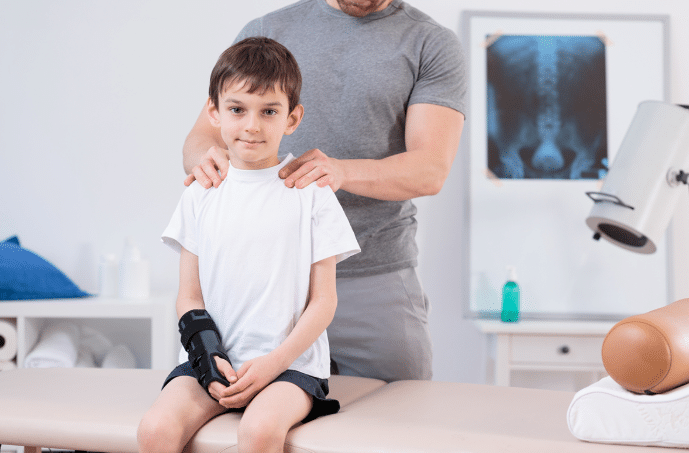
Growth plates remain open until late adolescence. Monitoring growth ensures:
-
Bones develop evenly
-
No long-term deformities
-
Proper joint alignment
Regular follow-ups are crucial in complex cases.
Emotional Support for Children
Children may feel scared about medical visits or surgery. Pediatric specialists are trained to:
-
Use child-friendly language
-
Create a calming environment
-
Involve parents in decision-making
Hospitals often provide child life specialists to reduce anxiety.
Choosing the Right Pediatric Orthopedic Surgeon
Selecting the right specialist matters.
Key Factors to Consider:
-
Board certification
-
Fellowship training in pediatric orthopedics
-
Hospital affiliation
-
Experience with specific conditions
-
Communication style
Parents should feel comfortable asking questions and discussing concerns.
Frequently Asked Questions
Is surgery always necessary?
No. Many conditions are treated without surgery.
Do I need a referral?
It depends on your insurance provider.
Are treatments painful?
Pain is managed carefully, and most procedures are well tolerated.
How long does recovery take?
Recovery varies depending on the condition and treatment type.
When to See a Pediatric Orthopedic Surgeon
You should see a pediatric orthopedic surgeon if your child has persistent joint pain, limping, visible deformities, growth concerns, or injuries that do not heal properly within a few days.
Preventing Orthopedic Problems in Children
While not all conditions are preventable, parents can:
-
Encourage protective sports gear
-
Ensure proper nutrition (calcium and vitamin D)
-
Promote safe play
-
Monitor posture
-
Schedule regular pediatric check-ups
Early care makes a major difference.
The Importance of Early Intervention
Delaying treatment can lead to:
-
Chronic pain
-
Growth abnormalities
-
Reduced mobility
-
Long-term complications
Timely evaluation by a pediatric orthopedic surgeon ensures the best outcome.
Conclusion
Children’s bones and joints are constantly developing. Because of this, injuries and structural issues must be handled with expertise and care. A pediatric orthopedic surgeon is specifically trained to manage these challenges while protecting long-term growth.
Whether your child has a minor fracture, sports injury, scoliosis, or a congenital condition, early diagnosis and specialized treatment significantly improve recovery outcomes.
If you notice unusual pain, limping, posture changes, or slow healing after an injury, consulting a pediatric orthopedic surgeon can provide clarity, treatment, and peace of mind.
Your child’s growth and mobility are priceless — and specialized care ensures they stay active, healthy, and strong for years to come.