


Introduction
Have you been feeling unusually tired lately? Not just the “I need more sleep” kind of tired — but the deep, lingering exhaustion that doesn’t go away even after resting?
Sometimes, our bodies try to tell us something long before a serious health issue develops. One such condition is macrocytic anemia. Understanding macrocytic anemia symptoms early can help you prevent long-term complications and protect your overall health.
Let’s break it down in a simple, clear, and practical way.
What Is Macrocytic Anemia?
Macrocytic anemia is a type of anemia where your red blood cells are larger than normal and don’t function properly. These oversized cells struggle to carry oxygen efficiently throughout your body.
Oxygen fuels every organ — your brain, heart, muscles, and tissues. When oxygen supply drops, your body starts to feel the impact in different ways.
There are two main types:
-
Megaloblastic macrocytic anemia (usually caused by vitamin B12 or folate deficiency)
-
Non-megaloblastic macrocytic anemia (often linked to liver disease, alcohol use, or thyroid problems)
While the medical terms may sound complicated, the symptoms are often subtle and easy to miss.
What Are the Early Macrocytic Anemia Symptoms?

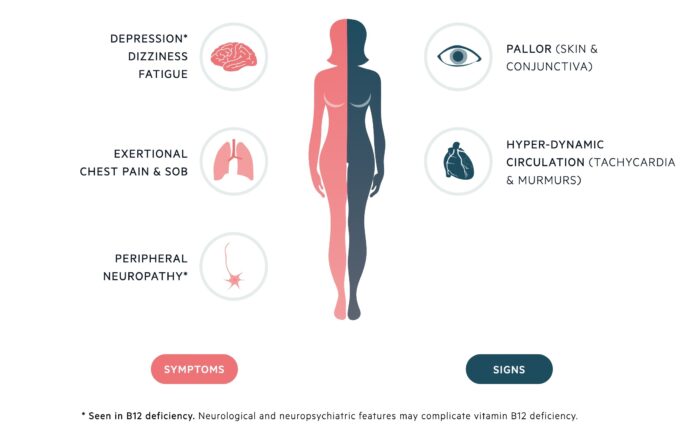
The most common early macrocytic anemia symptoms include:
-
Ongoing fatigue
-
Weakness
-
Pale skin
-
Shortness of breath
-
Dizziness
-
Fast heartbeat
These symptoms may start gradually and worsen over time if ignored.
Why Do Macrocytic Anemia Symptoms Happen?
Your body needs vitamin B12 and folate to produce healthy red blood cells. Without these nutrients, cells grow abnormally large and fail to mature correctly.
Here are the most common causes:
Vitamin B12 Deficiency
This is one of the leading causes. It may happen due to:
-
Poor dietary intake
-
Digestive absorption problems
-
Autoimmune conditions like pernicious anemia
Folate Deficiency
Low folate levels, often from poor diet or pregnancy, can also trigger the condition.
Excessive Alcohol Use
Alcohol interferes with nutrient absorption and bone marrow function.
Hypothyroidism
An underactive thyroid can slow down blood cell production.
Liver Disease
The liver plays a role in red blood cell health, and damage can affect their structure.
Identifying the cause is important because treatment depends on it.
Early Macrocytic Anemia Symptoms You Shouldn’t Ignore

Many people dismiss the early signs as stress or aging. But persistent symptoms deserve attention.
Constant Fatigue
This is usually the first red flag. You may feel drained even after sleeping well.
Weakness
Simple tasks — climbing stairs, carrying groceries — may feel harder than usual.
Pale or Slightly Yellow Skin
A drop in healthy red blood cells can affect your complexion.
Shortness of Breath
You may feel winded during activities that were previously easy.
Rapid Heartbeat
Your heart works harder to compensate for reduced oxygen delivery.
These early macrocytic anemia symptoms are your body’s way of asking for help.
Neurological Symptoms: When It Affects Your Nerves
If vitamin B12 deficiency is involved, the nervous system can suffer.
Tingling or Numbness
You may feel “pins and needles” in your hands or feet.
Memory Problems
Brain fog, forgetfulness, or difficulty concentrating may appear.
Balance Issues
You might feel slightly unsteady while walking.
Mood Changes
Irritability, anxiety, or even depression can develop.
Neurological macrocytic anemia symptoms are especially important to treat early because nerve damage can become permanent if left untreated.
Digestive and Mouth-Related Symptoms
Macrocytic anemia doesn’t just affect energy levels — it can impact digestion too.
-
Loss of appetite
-
Unexplained weight loss
-
A swollen, red, sore tongue
-
Mouth ulcers
These signs often point toward vitamin deficiencies.
Symptom Overview Table
| Body Area Affected | Common Symptoms | What It Feels Like |
|---|---|---|
| Energy Levels | Fatigue, weakness | Constant exhaustion |
| Heart & Lungs | Shortness of breath, fast pulse | Easily winded |
| Nervous System | Tingling, memory issues | Brain fog, numbness |
| Skin | Pale or yellow tone | Washed-out look |
| Digestive System | Appetite loss | Reduced hunger |
Macrocytic Anemia Symptoms in Women

Women are more vulnerable due to menstruation, pregnancy, and dietary habits.
During pregnancy, folate needs increase significantly. If intake is insufficient, symptoms may develop. Vegetarian or vegan women who do not supplement B12 are also at higher risk.
Fatigue is often blamed on hormones, which delays diagnosis.
Macrocytic Anemia Symptoms in Older Adults
Older adults may experience reduced nutrient absorption. In this age group, symptoms like confusion or memory loss are sometimes mistaken for aging or dementia.
Regular blood tests become especially important after age 50.
When Should You See a Doctor?
You should consult a healthcare provider if you notice:
-
Fatigue lasting more than two weeks
-
Tingling or numbness
-
Persistent dizziness
-
Chest discomfort
-
Unexplained weight loss
Ignoring macrocytic anemia symptoms can lead to serious complications.
How Is It Diagnosed?
Doctors usually perform:
-
Complete Blood Count (CBC)
-
Vitamin B12 and folate tests
-
Blood smear examination
These simple tests can confirm whether your red blood cells are enlarged and identify the root cause.
Can Macrocytic Anemia Be Reversed?
Yes — in most cases, it can.
When caught early, treatment is often straightforward:
-
Vitamin B12 supplements or injections
-
Folate supplementation
-
Dietary improvements
-
Treating underlying medical conditions
Most people begin to feel better within a few weeks.
Foods That Help Prevent Macrocytic Anemia
Adding these foods to your diet may reduce risk:
-
Spinach and leafy greens
-
Eggs
-
Milk and dairy products
-
Fish
-
Lean meats
-
Fortified cereals
If you follow a vegetarian diet, consider discussing B12 supplements with your doctor.
What Happens If It’s Left Untreated?
Without treatment, complications may include:
-
Permanent nerve damage
-
Severe weakness
-
Heart strain
-
Fertility issues
-
Pregnancy complications
This is why recognizing macrocytic anemia symptoms early truly matters.
Recovery and Outlook
The good news? Most people recover fully with proper treatment. Energy levels gradually return, mental clarity improves, and physical strength rebuilds.
However, patience is key. Neurological symptoms may take longer to resolve.
Regular follow-ups ensure everything stays on track.
Conclusion
Your body rarely stays silent when something is wrong. It gives small signals first — fatigue, weakness, brain fog. These early macrocytic anemia symptoms may seem harmless, but they can point to a deeper issue.
Listening to your body, eating a balanced diet, and seeking medical advice when symptoms persist can make all the difference.
Health isn’t just about reacting when things go wrong — it’s about paying attention when your body whispers.
If you’ve been feeling “off” lately, don’t ignore it. A simple blood test could provide answers — and peace of mind.
Read More:-Life Expectancy with Fatty Liver Disease: Stages & Survival