


Introduction
Hearing the words “fatty liver disease” can feel alarming. One of the first questions most people ask is: How long can I live with this condition? Understanding life expectancy with fatty liver disease depends largely on the stage of the disease, overall health, and how early lifestyle changes are made.
The reassuring news is that many people with early-stage fatty liver disease live normal, healthy lives — especially when it’s detected early and managed properly. However, advanced stages can significantly impact long-term survival.
In this detailed guide, we’ll explore how fatty liver disease progresses, what affects prognosis, and what you can do to improve outcomes.
What Is Fatty Liver Disease?
Fatty liver disease occurs when excess fat builds up in liver cells. While small amounts of fat are normal, too much can lead to inflammation and damage over time.
There are two main types:
-
Non-Alcoholic Fatty Liver Disease (NAFLD) – Occurs in people who drink little to no alcohol.
-
Alcohol-Related Fatty Liver Disease (AFLD) – Caused by heavy alcohol consumption.
NAFLD is now one of the most common liver conditions worldwide, especially in people with obesity, diabetes, or metabolic syndrome.
Does Fatty Liver Disease Shorten Life Expectancy?
In early stages, fatty liver disease usually does not significantly reduce lifespan. However, advanced stages such as fibrosis or cirrhosis can lower life expectancy if left untreated. Early diagnosis and lifestyle changes greatly improve long-term survival.
Understanding the Stages of Fatty Liver Disease
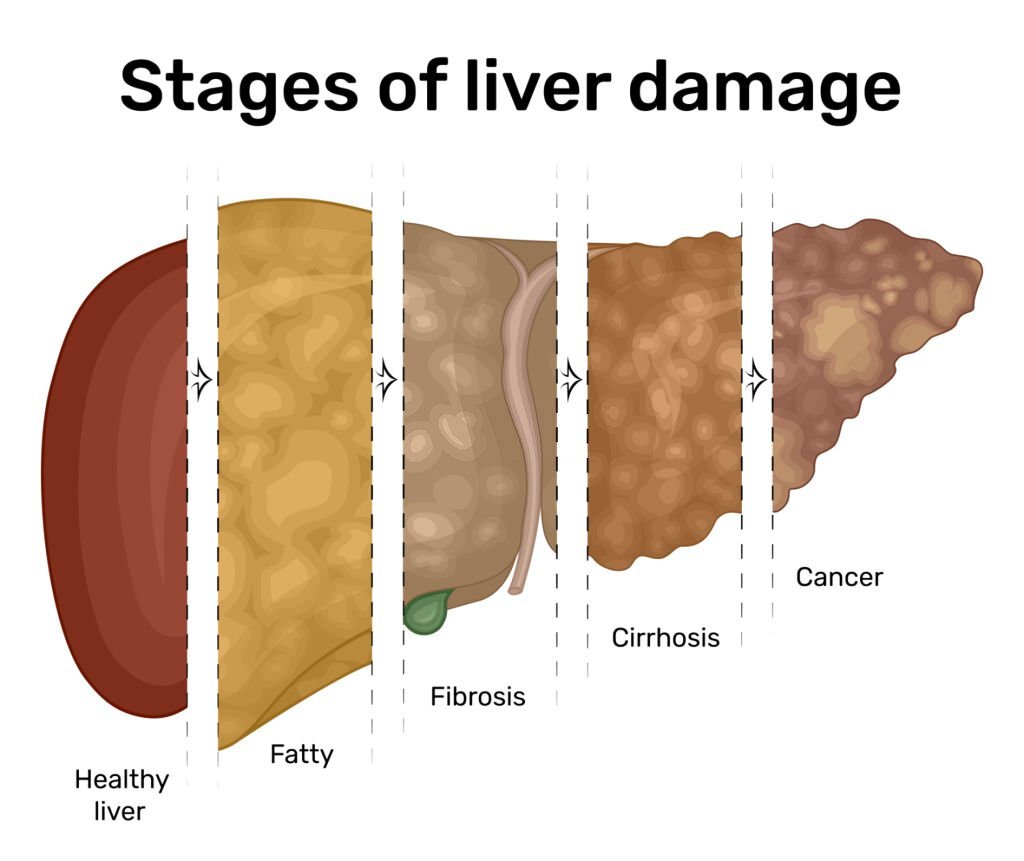
The impact on life expectancy with fatty liver disease largely depends on how far the condition has progressed.
1. Simple Fatty Liver (Steatosis)
Fat accumulates in the liver, but there is little or no inflammation. Most people experience no symptoms at this stage.
2. Non-Alcoholic Steatohepatitis (NASH)
Inflammation develops, and liver cells begin to suffer damage.
3. Fibrosis
Scar tissue forms as the liver attempts to repair itself.
4. Cirrhosis
Severe scarring permanently damages liver structure and function.
5. Liver Failure
The liver can no longer perform essential functions.
Early stages are often reversible. Advanced stages may not be.
Life Expectancy with Fatty Liver Disease by Stage
Let’s break down what prognosis may look like at each stage.
Early-Stage Fatty Liver
For most individuals with simple steatosis, life expectancy with fatty liver disease is nearly the same as the general population — especially with proper management.
NASH
The risk of progression increases, but many people still live long lives with treatment and monitoring.
Fibrosis
Moderate scarring begins to affect long-term outlook. Cardiovascular disease risk also rises.
Cirrhosis
At this stage, survival rates decline. Compensated cirrhosis may allow years of stable living, but decompensated cirrhosis significantly lowers life expectancy.
Liver Failure
In severe cases, a liver transplant may be necessary to extend survival.
Table: Life Expectancy by Disease Stage
| Stage | Liver Condition | Reversible? | Impact on Life Expectancy |
|---|---|---|---|
| Steatosis | Fat buildup only | Yes | Minimal impact |
| NASH | Inflammation present | Often | Slight to moderate risk |
| Fibrosis | Scar tissue forms | Sometimes | Moderate impact |
| Cirrhosis | Severe scarring | No | Significant reduction |
| Liver Failure | Organ failure | No | Requires transplant |
Factors That Influence Life Expectancy
Not everyone progresses at the same rate. Several factors influence life expectancy with fatty liver disease.
Obesity
Excess weight increases liver fat and inflammation.
Type 2 Diabetes
Diabetes accelerates liver damage and increases heart disease risk.
High Blood Pressure & Cholesterol
These raise the likelihood of cardiovascular complications.
Alcohol Intake
Even moderate alcohol use can worsen liver damage in vulnerable individuals.
Age
Older adults may have slower recovery and higher complication rates.
Cardiovascular Risk: A Major Concern

Interestingly, the leading cause of death in people with fatty liver disease is not liver failure — it’s heart disease.
Fatty liver is closely linked to metabolic syndrome, which includes:
-
High blood sugar
-
High cholesterol
-
Obesity
-
Hypertension
Managing heart health is just as important as protecting the liver when discussing life expectancy with fatty liver disease.
Symptoms That May Indicate Progression
Early fatty liver rarely causes noticeable symptoms. As the disease advances, signs may include:
-
Persistent fatigue
-
Abdominal discomfort (upper right side)
-
Swelling in legs or abdomen
-
Yellowing of skin (jaundice)
-
Easy bruising
These symptoms require immediate medical evaluation.
Can Fatty Liver Disease Be Reversed?
Yes — especially in early stages.
Weight Loss
Losing 7–10% of body weight can significantly reduce liver fat and inflammation.
Exercise
Regular physical activity improves insulin sensitivity and liver health.
Healthy Diet
Mediterranean-style diets rich in fruits, vegetables, whole grains, and healthy fats show strong benefits.
Managing Diabetes and Cholesterol
Proper control slows progression and improves overall survival.
Making these changes early dramatically improves life expectancy with fatty liver disease.
How Can You Improve Life Expectancy with Fatty Liver Disease?
You can improve life expectancy by:
-
Losing excess weight
-
Exercising regularly
-
Controlling blood sugar and cholesterol
-
Avoiding alcohol
-
Getting regular liver checkups
Early lifestyle changes can reverse fatty liver and prevent complications.
When Is a Liver Transplant Needed?
A transplant may be considered when:
-
Cirrhosis becomes decompensated
-
Liver failure develops
-
Liver cancer occurs
Liver transplantation significantly improves survival for eligible patients. Many individuals go on to live productive lives after recovery.
How Fast Does Fatty Liver Progress?
Progression varies greatly. Some individuals remain stable for decades. Others may progress from simple steatosis to cirrhosis over several years, especially if risk factors are uncontrolled.
Routine monitoring helps track changes and adjust treatment plans.
Lifestyle Plan to Support Long-Term Survival
Eat Liver-Friendly Foods
-
Leafy greens
-
Fatty fish (rich in omega-3)
-
Nuts and seeds
-
Olive oil
-
Whole grains
Avoid These Foods
-
Sugary drinks
-
Processed snacks
-
Refined carbohydrates
-
Fried foods
Exercise Recommendations
Aim for:
-
150 minutes of moderate exercise weekly
-
Strength training twice weekly
Avoid Alcohol
Complete abstinence may be necessary in advanced stages.
Following these guidelines can positively influence life expectancy with fatty liver disease over time.
Monitoring and Regular Testing
Doctors may recommend:
-
Liver function blood tests
-
Ultrasound imaging
-
FibroScan assessments
-
MRI in some cases
Regular monitoring ensures early detection of progression.
Mental Health and Fatty Liver Disease
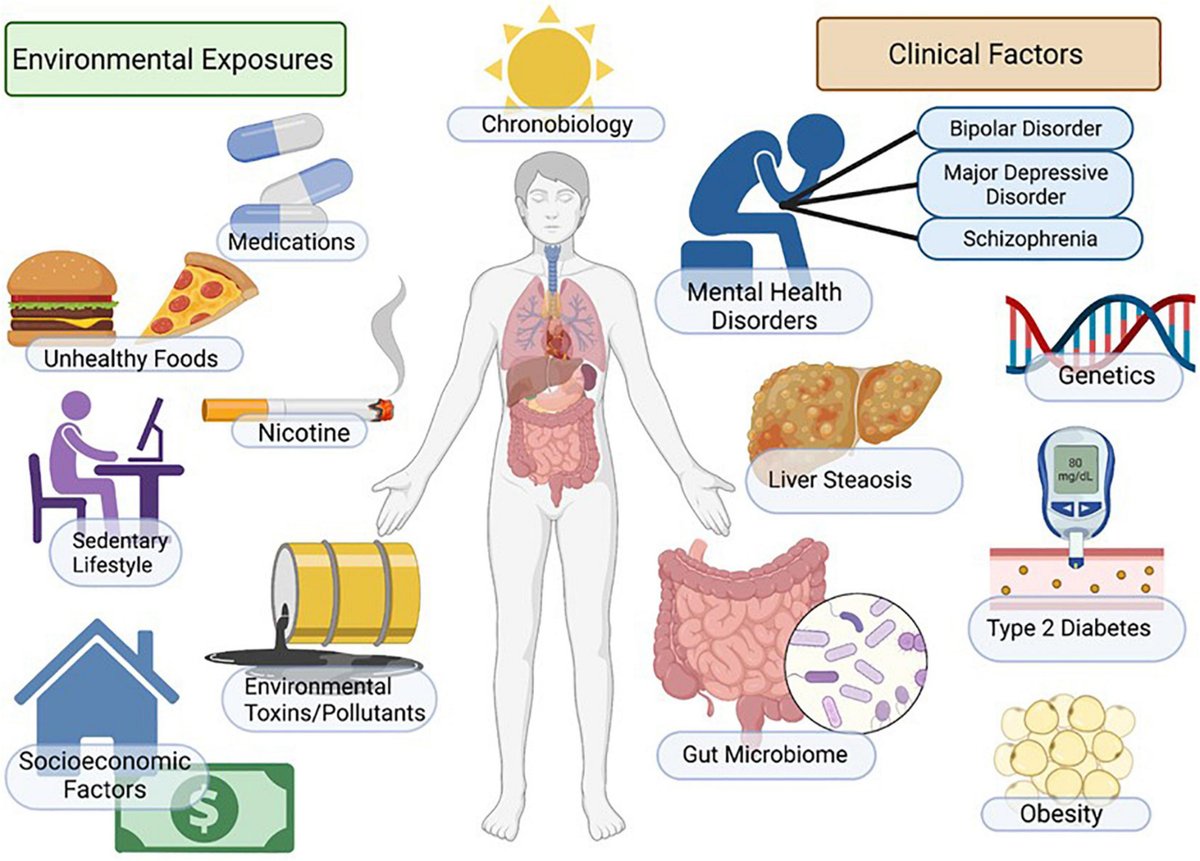
Chronic illness can cause anxiety and stress. Mental health support plays a role in maintaining healthy lifestyle habits and improving long-term outcomes.
Taking care of emotional well-being indirectly improves physical health and survival prospects.
Is Fatty Liver Always Serious?
Not necessarily.
Many people live full, normal lives with early-stage fatty liver disease. The key factor is whether inflammation and scarring develop.
When managed properly, life expectancy with fatty liver disease can remain close to average life expectancy.
Key Takeaways
-
Early-stage fatty liver usually does not reduce lifespan.
-
Advanced stages like cirrhosis significantly impact survival.
-
Heart disease is a major risk factor.
-
Weight loss and lifestyle changes are powerful treatments.
-
Early detection dramatically improves outcomes.
Conclusion
Being diagnosed with fatty liver disease can feel overwhelming. But it’s important to remember: this condition often progresses slowly and is highly responsive to lifestyle changes.
The reality is that life expectancy with fatty liver disease depends largely on the actions you take after diagnosis. With proper medical care, regular monitoring, and healthier daily habits, many individuals live long and healthy lives.
Your liver has an incredible ability to heal — especially when you give it the support it needs.
If you’ve recently been diagnosed, consider this not as a final verdict, but as an opportunity to take control of your health and protect your future.
Read More:-VLDL Cholesterol: Levels, Risks, and Heart Health Guide