


Introduction
Feeling tired after a long day is normal. Getting the occasional bruise is normal too. But what if the fatigue never goes away? What if small cuts take longer to stop bleeding? Sometimes, these small changes are your body’s way of asking for attention.
Aplastic anemia is a rare but serious condition that affects how your body produces blood cells. When the bone marrow slows down or stops making enough healthy blood cells, it can lead to a wide range of health problems. Recognizing aplastic anemia symptoms early can make a life-changing difference.
Let’s walk through everything you need to know in a simple, clear, and human way.
What Is Aplastic Anemia?
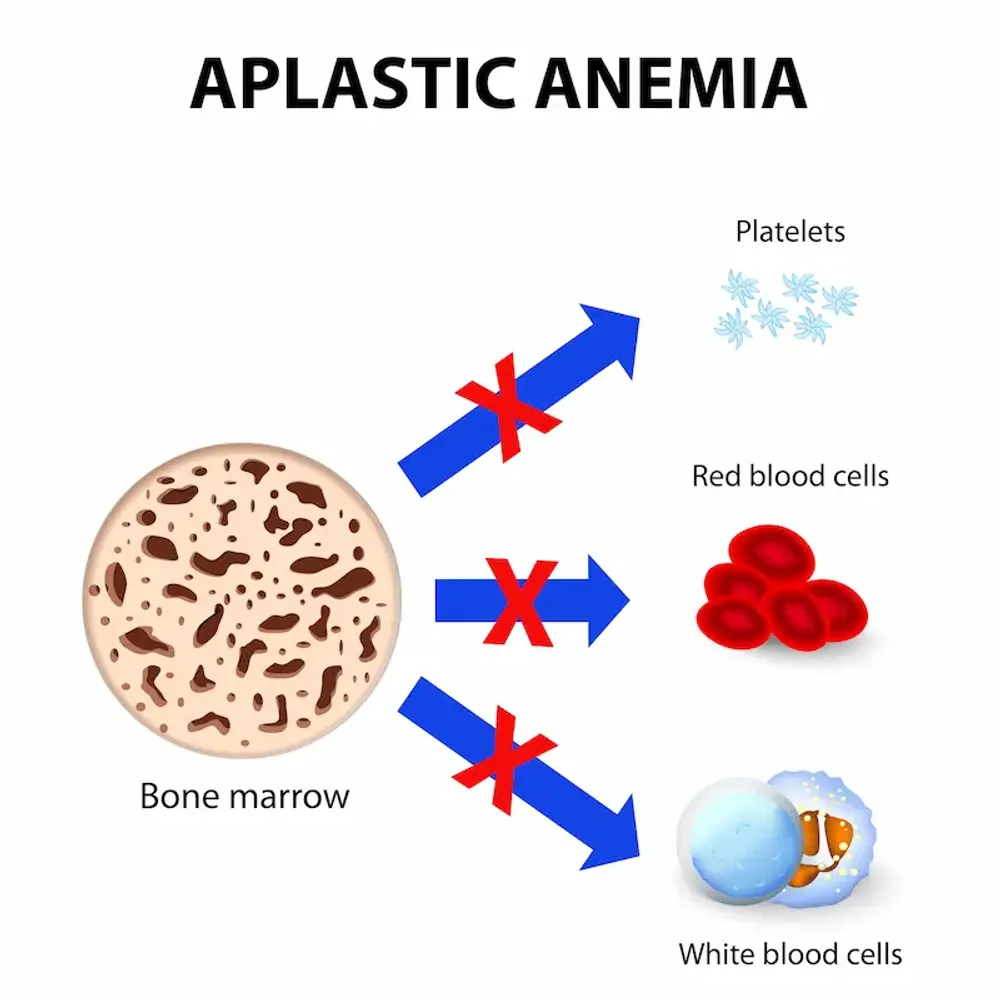
Inside your bones is a soft tissue called bone marrow. Think of it as your body’s blood factory. It produces:
-
Red blood cells (carry oxygen)
-
White blood cells (fight infections)
-
Platelets (help stop bleeding)
In aplastic anemia, this factory slows down or shuts down. As a result, your body doesn’t have enough blood cells to function properly.
When all three types of blood cells are low, doctors call it pancytopenia.
Why Early Symptoms Matter So Much
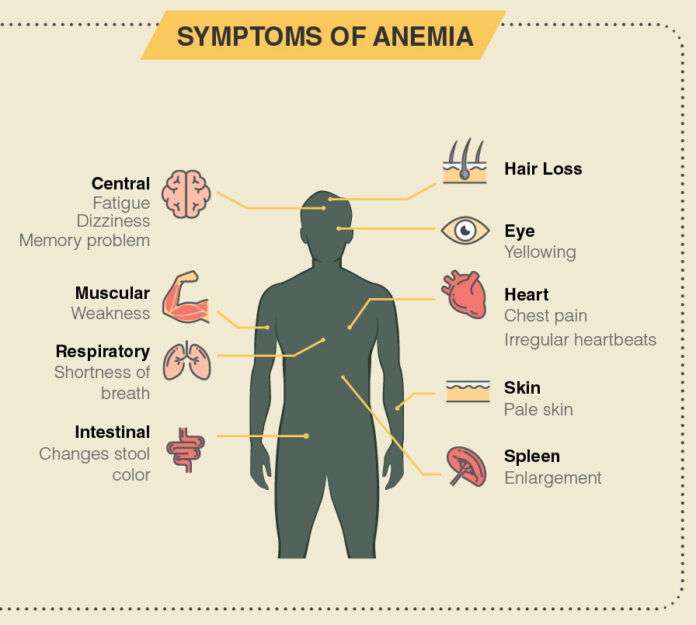
One of the tricky things about this condition is that it often starts quietly. The early aplastic anemia symptoms can feel like everyday problems — tiredness, mild dizziness, or catching colds more often.
Because these signs are subtle, people sometimes ignore them. Unfortunately, untreated aplastic anemia can become severe and even life-threatening. That’s why awareness is so important.
What Causes Aplastic Anemia?
There isn’t always a clear answer, but here are some common causes:
Autoimmune Reaction
Sometimes, the immune system mistakenly attacks the bone marrow.
Chemical Exposure
Long-term exposure to chemicals like benzene or pesticides can damage marrow cells.
Certain Medications
Some antibiotics, chemotherapy drugs, and anti-seizure medications may increase risk.
Viral Infections
Hepatitis, Epstein-Barr virus, and other infections can sometimes trigger the condition.
Genetic Conditions
In rare cases, inherited disorders are responsible.
And in many people, doctors never find a definite cause.
Early Aplastic Anemia Symptoms You Shouldn’t Ignore

In the beginning, the signs can be mild but persistent.
Constant Fatigue
This isn’t just “I need more sleep” tiredness. It’s a deep exhaustion that doesn’t improve with rest.
Pale Skin
You may look unusually pale because of low red blood cells.
Shortness of Breath
Simple activities like walking upstairs might leave you breathless.
Dizziness or Headaches
Low oxygen levels in the blood can trigger frequent headaches.
These early aplastic anemia symptoms may develop slowly over weeks or months.
When Symptoms Become More Serious
As blood cell counts continue to drop, symptoms become harder to ignore.
Frequent Infections
Low white blood cells weaken your immune defense.
Easy Bruising
You might notice bruises without remembering any injury.
Bleeding Gums or Nosebleeds
Platelets help blood clot. Without enough of them, bleeding lasts longer.
Rapid Heartbeat
Your heart works overtime to deliver oxygen.
Prolonged Bleeding from Small Cuts
Even minor injuries may take a long time to stop bleeding.
At this point, aplastic anemia symptoms require immediate medical evaluation.
Aplastic Anemia Symptoms in Children
Children can also develop this condition. Parents may notice:
-
Frequent fevers
-
Weakness affecting school activities
-
Delayed growth
-
Unusual bruising
Any persistent change in your child’s energy or health should be discussed with a doctor.
What Are the First Signs?
The first signs of aplastic anemia usually include ongoing fatigue, pale skin, dizziness, mild infections, and shortness of breath. These early aplastic anemia symptoms may seem minor but can gradually worsen.
When Should You See a Doctor?
Don’t wait if you experience:
-
Repeated infections
-
Severe fatigue
-
Uncontrolled bleeding
-
High fever with weakness
-
Chest pain or breathing difficulty
Listening to your body can prevent serious complications.
How Doctors Diagnose Aplastic Anemia
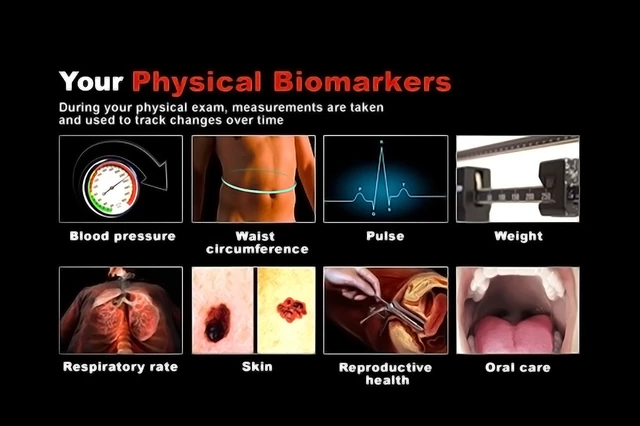
If your doctor suspects a problem, they may order:
Complete Blood Count (CBC)
This measures red blood cells, white blood cells, and platelets.
Bone Marrow Biopsy
A small sample of bone marrow is taken to confirm reduced cell production.
Additional Blood Tests
To rule out other conditions.
Proper testing helps confirm whether the aplastic anemia symptoms are truly due to bone marrow failure.
Table: Understanding the Symptoms
| Symptom | What’s Low? | Why It Happens |
|---|---|---|
| Extreme fatigue | Red blood cells | Less oxygen reaches tissues |
| Frequent infections | White blood cells | Weak immune defense |
| Easy bruising | Platelets | Blood doesn’t clot properly |
| Pale appearance | Red blood cells | Reduced hemoglobin |
| Nosebleeds | Platelets | Poor clot formation |
| Rapid heartbeat | Red blood cells | Heart compensates for low oxygen |
Treatment Options
Treatment depends on severity, age, and overall health.
Blood Transfusions
These temporarily replace missing red cells or platelets.
Immunosuppressive Therapy
Medications calm the immune system if it’s attacking bone marrow.
Stem Cell (Bone Marrow) Transplant
This can potentially cure the condition, especially in younger patients with a matching donor.
Growth-Stimulating Medications
Help the marrow produce more blood cells.
With proper treatment, many people successfully manage aplastic anemia symptoms.
Living with Aplastic Anemia
A diagnosis can feel overwhelming. But many patients live full lives with the right care.
Protect Yourself from Infections
-
Wash hands often
-
Avoid crowded places during flu season
-
Stay up to date on vaccinations (as advised by your doctor)
Prevent Injuries
-
Use a soft toothbrush
-
Avoid contact sports
-
Be cautious with sharp objects
Manage Fatigue
-
Plan rest breaks
-
Eat balanced meals
-
Stay hydrated
Small daily habits can reduce worsening of aplastic anemia symptoms.
Emotional Impact Matters Too
Living with a chronic illness can cause anxiety and stress. It’s completely normal to feel worried.
Consider:
-
Talking with a counselor
-
Joining a support group
-
Leaning on family and friends
-
Practicing relaxation techniques
Your mental health is just as important as your physical health.
Is Aplastic Anemia Life-Threatening?
It can be, especially if untreated. Severe infections or bleeding complications may occur. However, modern medical advances have greatly improved survival rates.
Early recognition of aplastic anemia symptoms makes a major difference.
Can It Be Prevented?
Not always. But you can lower risk by:
-
Avoiding toxic chemical exposure
-
Taking medications only as prescribed
-
Getting regular medical checkups
-
Treating infections promptly
Long-Term Outlook
The prognosis depends on:
-
Age
-
Severity
-
Treatment response
-
Availability of a stem cell donor
Many patients respond well to therapy and regain a good quality of life.
Conclusion
Your body often whispers before it screams. Persistent fatigue, unusual bruising, frequent infections — these aren’t just random inconveniences. They could be early aplastic anemia symptoms.
The good news? Early detection leads to better treatment outcomes. If something feels “off” for weeks, don’t ignore it. Talk to a healthcare professional.
Being informed isn’t about fear — it’s about empowerment.
Read More:-Macrocytic Anemia Symptoms: Early Signs and Treatment Guide