

Introduction
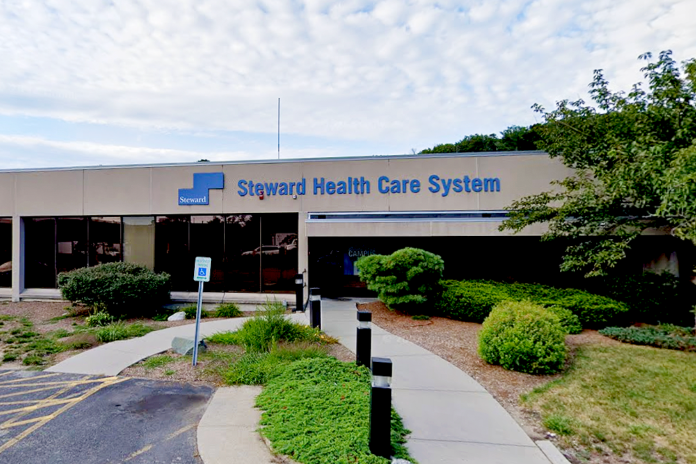
Healthcare systems play a vital role in delivering medical services to millions of people worldwide. Among the well-known healthcare organizations in the United States is Steward Health Care System, a physician-led healthcare network that operates hospitals, urgent care centers, and specialty medical facilities. The organization has grown significantly over the years and has become one of the largest private healthcare providers in the country.
This comprehensive guide explores steward health care, its history, hospitals, services, and the healthcare network that supports patient care across multiple regions. By understanding how the system works, patients and healthcare professionals can better appreciate its role in modern medicine.
What Is Steward Health Care?

Steward health care refers to a healthcare organization that manages hospitals and medical facilities while focusing on high-quality patient care. It is a physician-led system designed to integrate clinical expertise with hospital operations to improve patient outcomes.
Unlike traditional hospital systems, the organization emphasizes collaboration between doctors, nurses, and administrators. This integrated approach helps ensure that patients receive coordinated medical care.
Mission and Vision
The mission of the healthcare network is centered on providing accessible and affordable medical services while maintaining high clinical standards. The organization focuses on improving patient health outcomes through advanced technology, skilled medical professionals, and community-focused healthcare initiatives.
Importance in Modern Healthcare
Healthcare networks have become essential in delivering efficient medical services. Systems like steward health care help streamline operations, share resources across hospitals, and improve access to specialized treatments.
History and Background of Steward Health Care

Founding and Early Development
The healthcare system was established in the early 2010s with the goal of transforming hospital operations by placing physicians at the center of decision-making. The organization grew rapidly after acquiring several hospitals and medical facilities.
One of the earliest hospital groups connected to the system was Caritas Christi Health Care, a Massachusetts-based hospital network that became the foundation for the modern organization.
Expansion of the Network
Over time, the company expanded into multiple states and even international markets. The network now includes hospitals, outpatient clinics, urgent care centers, and specialty medical facilities.
Key expansion milestones include:
-
Acquisition of hospitals across several U.S. states
-
Development of integrated medical services
-
Investment in advanced medical technology
Major Growth Milestones
Some major milestones in the organization’s history include:
-
Becoming one of the largest physician-led hospital operators
-
Expanding into international healthcare markets
-
Building a large network of hospitals and outpatient centers
Steward Health Care System Overview
Structure of the Healthcare Network
The healthcare system operates through a network of hospitals and medical providers. These facilities work together to provide coordinated patient care.
Key components of the network include:
-
Acute care hospitals
-
Primary care clinics
-
Specialty medical centers
-
Telehealth platforms
This structure ensures that patients receive comprehensive medical services in one integrated system.
Number of Hospitals and Facilities
At its peak, the organization operated dozens of hospitals and hundreds of medical offices. These facilities serve millions of patients annually and provide a wide range of medical services.
Regions Served
Hospitals within the network operate across various regions, including several U.S. states such as:
-
Massachusetts
-
Florida
-
Texas
-
Arizona
The organization has also expanded internationally, bringing its healthcare model to other countries.
Hospitals Operated by Steward Health Care


Hospitals within the network provide both general and specialized medical services. These hospitals are equipped with advanced medical technology and experienced healthcare professionals.
Some well-known hospitals associated with the network include:
-
St. Elizabeth’s Medical Center
-
Holy Family Hospital
-
Good Samaritan Medical Center
Types of Medical Facilities
Hospitals in the system generally fall into several categories:
-
Acute Care Hospitals – Provide emergency and inpatient treatment.
-
Specialty Hospitals – Focus on areas such as cardiology or orthopedics.
-
Outpatient Clinics – Provide routine medical services.
-
Urgent Care Centers – Treat non-life-threatening medical issues.
Medical Services Offered
The healthcare system provides a wide range of services designed to meet the needs of patients at every stage of life.
Primary Care Services
Primary care forms the foundation of any healthcare network. Doctors provide routine checkups, preventive care, and early diagnosis of illnesses.
Common services include:
-
Health screenings
-
Vaccinations
-
Chronic disease management
-
Preventive healthcare
Emergency and Critical Care
Hospitals in the network operate emergency departments that treat serious injuries and life-threatening conditions.
Emergency services may include:
-
Trauma care
-
Intensive care units
-
Emergency surgeries
-
Rapid diagnostic testing
Specialty Care and Surgery
Many hospitals in the network offer specialized treatments, including:
-
Cardiology services
-
Orthopedic surgery
-
Oncology treatments
-
Neurology care
These specialty departments help patients receive advanced medical care without traveling long distances.
Telehealth and Digital Health
In recent years, telemedicine has become an important part of modern healthcare. Virtual consultations allow patients to speak with doctors from the comfort of their homes.
Telehealth services typically include:
-
Online doctor consultations
-
Remote monitoring of chronic conditions
-
Digital prescriptions
Table: Key Components of the Steward Health Care Network
| Component | Description |
|---|---|
| Hospitals | Provide inpatient and emergency care |
| Primary Care Clinics | Routine medical checkups and preventive care |
| Specialty Centers | Advanced treatment for specific medical conditions |
| Telehealth Services | Online consultations and digital healthcare |
| Urgent Care Centers | Immediate care for minor medical emergencies |
Patient-Centered Approach
Focus on Quality Care
A major priority of the organization is improving patient outcomes. Hospitals aim to provide personalized treatment plans tailored to each patient’s needs.
Community Health Programs
Many hospitals within the network support local communities through health initiatives such as:
-
Free health screenings
-
Wellness education programs
-
Community vaccination drives
These programs help improve overall public health.
Patient Safety Initiatives
Hospitals emphasize patient safety by following strict medical guidelines and quality standards. Regular monitoring and staff training ensure that healthcare professionals maintain high standards of care.
Technology and Innovation
Modern Medical Technology
Healthcare technology plays a major role in diagnosing and treating diseases. Hospitals in the network use advanced equipment such as:
-
MRI and CT scanners
-
Robotic surgical systems
-
Digital patient monitoring tools
Electronic Health Records
Electronic medical records allow doctors to access patient information quickly and accurately. This improves communication between healthcare providers and ensures continuity of care.
Digital Healthcare Innovation
Digital health platforms are transforming how patients interact with healthcare providers. Online appointment systems and remote monitoring tools make healthcare more accessible and convenient.
Benefits of the Steward Health Care System

Healthcare networks offer several advantages for both patients and medical professionals.
Integrated Healthcare Network
An integrated network allows doctors from different specialties to collaborate and provide coordinated care.
Access to Specialized Services
Patients can access a wide range of treatments within one system, reducing the need for referrals to outside facilities.
Improved Patient Outcomes
When hospitals share data and resources, they can improve treatment outcomes and reduce medical errors.
Challenges and Controversies
Like many large healthcare organizations, the system has faced challenges over time.
Financial Challenges
Operating hospitals is expensive, and healthcare systems must manage costs while maintaining high standards of care.
Operational Issues
Hospital management, staffing, and infrastructure improvements are ongoing challenges in the healthcare industry.
Regulatory Oversight
Healthcare organizations must follow strict regulations set by government agencies to ensure patient safety and ethical medical practices.
What Is Steward Health Care?
Steward health care is a physician-led healthcare system that operates hospitals, medical centers, and outpatient facilities. The organization focuses on integrated patient care, advanced medical technology, and community health services across multiple regions.
Key Services Provided
Major services include:
-
Primary healthcare and preventive medicine
-
Emergency and trauma care
-
Surgical and specialty treatments
-
Telehealth and digital medical services
Future of Steward Health Care

Expansion Plans
Healthcare networks continue to evolve to meet the growing demand for medical services. Future expansion may include additional hospitals and outpatient centers.
Investment in Technology
New technologies such as artificial intelligence and digital diagnostics are expected to play a major role in the future of healthcare.
Changing Healthcare Trends
The healthcare industry is shifting toward:
-
Preventive care
-
Telemedicine
-
Personalized medicine
These trends are likely to shape the future of healthcare systems worldwide.
Conclusion
Modern healthcare systems rely on large networks of hospitals, doctors, and medical professionals working together to provide high-quality care. Organizations like steward health care have helped transform how hospitals operate by integrating medical expertise with hospital management.
Through its hospitals, clinics, and advanced medical technologies, the network aims to improve patient outcomes and expand access to healthcare services. As the healthcare industry continues to evolve, integrated systems will remain essential in delivering efficient and patient-centered medical care.
Read More:-Divine Nursing Home: Healthcare And Patient Care Guide