


Introduction
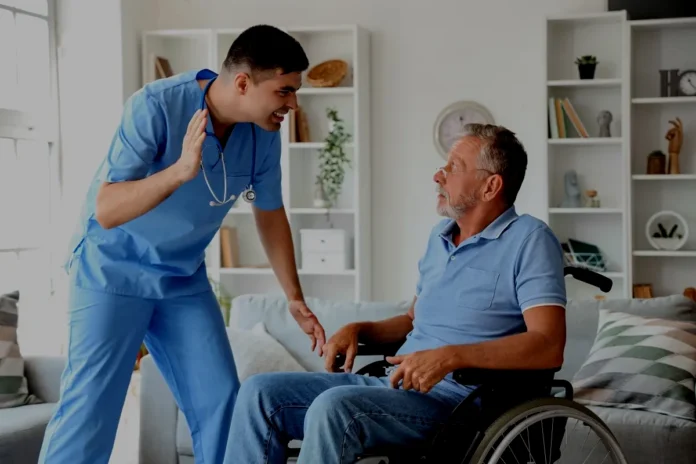
Caring for elderly family members often requires trusting professional care facilities such as nursing homes and assisted living centers. These facilities are expected to provide safety, dignity, and medical attention to seniors. Unfortunately, abuse and neglect in long-term care facilities remain serious problems worldwide. When such situations occur, families often seek legal help from a nursing home abuse attorney to protect their loved ones and hold responsible parties accountable.
Elder abuse can take many forms, including physical harm, emotional mistreatment, neglect, and financial exploitation. A skilled legal professional can investigate claims, gather evidence, and pursue justice for victims. Understanding the role of a nursing home abuse attorney, the warning signs of abuse, and the legal rights of elderly residents can help families act quickly and effectively.
Understanding Nursing Home Abuse

Nursing home abuse refers to any intentional harm or negligence that affects residents living in long-term care facilities. Elderly individuals are often physically fragile and emotionally vulnerable, which makes them susceptible to mistreatment.
Abuse may occur due to understaffing, inadequate training, poor management, or deliberate misconduct by caregivers. Families rely on these facilities to provide compassionate care, but when that trust is broken, legal action may become necessary.
Why Elderly Residents Are Vulnerable
Several factors make elderly residents more vulnerable to abuse in nursing homes:
-
Physical weakness or disability
-
Cognitive conditions such as dementia
-
Dependence on caregivers for daily needs
-
Social isolation from family and friends
-
Difficulty communicating mistreatment
Because many victims cannot easily report abuse themselves, family members must remain alert to warning signs.
Role of a Nursing Home Abuse Attorney
A nursing home abuse attorney specializes in legal cases involving elder abuse, neglect, and exploitation in care facilities. Their role is to represent victims and their families while ensuring that justice is served.
Legal Support for Victims
An attorney provides essential legal guidance by:
-
Investigating suspected abuse
-
Gathering evidence and medical records
-
Interviewing witnesses and staff members
-
Filing legal claims against negligent facilities
-
Negotiating settlements or representing clients in court
Families often feel overwhelmed when dealing with abuse cases. Having an experienced nursing home abuse attorney ensures that victims receive professional representation and protection.
Protecting Elderly Rights
Attorneys also help enforce laws designed to protect nursing home residents. They work to ensure that facilities follow proper standards of care and that negligent organizations are held accountable.
Types of Nursing Home Abuse
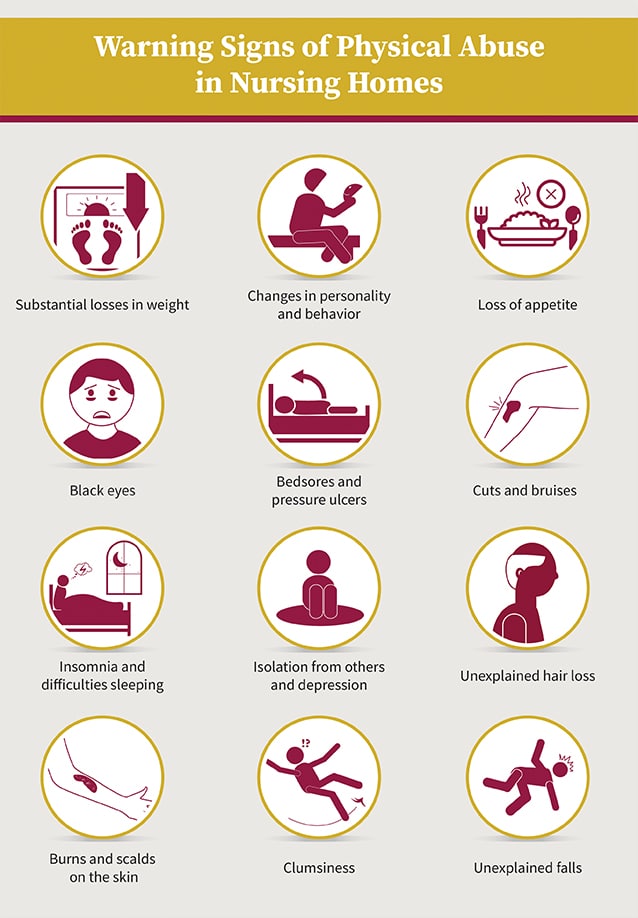
Abuse in nursing homes can take many forms. Recognizing these types is crucial for identifying and reporting problems.
1. Physical Abuse
Physical abuse includes any intentional use of force that causes injury or pain. Examples include:
-
Hitting or slapping residents
-
Pushing or restraining them improperly
-
Rough handling during transfers or care
Signs of physical abuse may include bruises, fractures, or unexplained injuries.
2. Emotional or Psychological Abuse
Emotional abuse involves verbal or psychological harm. Caregivers may:
-
Insult or threaten residents
-
Isolate them from others
-
Humiliate or intimidate them
Victims often show signs of anxiety, depression, or sudden behavioral changes.
3. Financial Exploitation
Some caregivers exploit elderly residents financially. This can involve:
-
Stealing money or valuables
-
Manipulating residents into signing documents
-
Unauthorized use of credit cards or bank accounts
Financial abuse can severely impact seniors who rely on limited savings.
4. Sexual Abuse
Although less frequently reported, sexual abuse is one of the most serious forms of elder abuse. Any non-consensual sexual contact with a resident is considered criminal behavior.
5. Neglect
Neglect occurs when caregivers fail to provide basic needs such as:
-
Food and water
-
Hygiene assistance
-
Medical care
-
Safe living conditions
A nursing home abuse attorney often handles neglect cases because they can lead to serious injuries or health complications.
Common Signs of Nursing Home Abuse
Recognizing warning signs early can prevent further harm. Families should watch for physical, emotional, and financial indicators.
Physical Warning Signs
-
Unexplained bruises or cuts
-
Broken bones or sprains
-
Bedsores (pressure ulcers)
-
Sudden weight loss or dehydration
Emotional and Behavioral Changes
-
Fear or anxiety around certain caregivers
-
Withdrawal from social interaction
-
Depression or confusion
-
Sudden mood changes
Financial Red Flags
-
Missing belongings
-
Unexpected bank withdrawals
-
Changes to wills or financial documents
If any of these signs appear, contacting a nursing home abuse attorney can help determine whether legal action is necessary.
Causes of Abuse in Nursing Homes

Abuse in care facilities often stems from systemic problems. Understanding these causes helps identify risk factors.
Staff Shortages
Many nursing homes operate with limited staff, making it difficult for caregivers to provide proper attention to each resident.
Poor Training
Caregivers who lack proper training may unintentionally harm residents while performing routine tasks.
Inadequate Supervision
Facilities that fail to supervise employees effectively may allow abusive behavior to continue unnoticed.
Poor Management
Negligent management practices often create unsafe environments for residents.
When to Contact a Nursing Home Abuse Attorney
Families should seek legal help immediately if they suspect abuse or neglect. Early intervention helps preserve evidence and protect the victim.
Situations that may require contacting a nursing home abuse attorney include:
-
Unexplained injuries or hospitalizations
-
Repeated complaints from the resident
-
Evidence of financial exploitation
-
Severe neglect or poor living conditions
An attorney can evaluate the case and determine the best course of action.
Legal Rights of Nursing Home Residents
Elderly residents are protected by various laws designed to ensure their safety and dignity.
Resident Rights
Residents generally have the right to:
-
Live free from abuse or neglect
-
Receive proper medical care
-
Maintain privacy and dignity
-
Participate in decisions about their treatment
Legal Protection
Government regulations require nursing homes to follow strict safety and care standards. When these standards are violated, a nursing home abuse attorney can file claims against the responsible parties.
Steps in a Nursing Home Abuse Case
When families pursue legal action, several steps are typically involved.
Investigation
Attorneys begin by investigating the facility and collecting evidence, including medical records, incident reports, and witness statements.
Evidence Collection
Key evidence may include:
-
Medical documentation
-
Surveillance footage
-
Staff employment records
-
Expert medical testimony
Legal Filing
Once sufficient evidence is gathered, the nursing home abuse attorney files a legal claim or lawsuit against the responsible facility or individuals.
Compensation in Nursing Home Abuse Cases
Victims may receive compensation for damages caused by abuse or neglect.
Possible Damages
| Type of Compensation | Description |
|---|---|
| Medical Expenses | Covers hospital bills, treatments, and rehabilitation |
| Pain and Suffering | Compensation for emotional distress and trauma |
| Financial Losses | Reimbursement for stolen money or property |
| Punitive Damages | Penalties imposed on negligent facilities |
Financial compensation cannot undo the harm caused, but it helps victims recover and ensures accountability.
How to Choose the Right Nursing Home Abuse Attorney

Selecting the right attorney is essential for a successful case.
Important Factors to Consider
-
Experience in elder abuse cases
-
Strong reputation and reviews
-
Clear communication with clients
-
Proven legal success in similar cases
Families should ask potential attorneys about their experience and case strategies before making a decision.
Preventing Nursing Home Abuse
While legal action helps victims, prevention is equally important.
Tips for Families
-
Visit nursing homes regularly
-
Monitor living conditions and staff behavior
-
Maintain open communication with residents
-
Review medical records and care plans
Choosing a Safe Nursing Home
Before selecting a facility, families should:
-
Research licensing and inspection records
-
Check staff qualifications and training
-
Visit the facility in person
-
Talk to current residents and their families
Taking these steps reduces the risk of abuse and ensures better care for loved ones.
What Does a Nursing Home Abuse Attorney Do?
A nursing home abuse attorney represents elderly victims who experience neglect, physical harm, emotional abuse, or financial exploitation in care facilities. They investigate claims, collect evidence, file lawsuits, and pursue compensation to protect victims and hold negligent nursing homes accountable.
Quick Summary Table
| Topic | Key Information |
|---|---|
| Definition | Abuse or neglect occurring in nursing homes |
| Common Types | Physical, emotional, financial, sexual, neglect |
| Warning Signs | Injuries, behavioral changes, missing money |
| Legal Help | Attorneys investigate and file lawsuits |
| Compensation | Medical costs, pain and suffering, damages |
Frequently Asked Questions
What does a nursing home abuse attorney do?
A nursing home abuse attorney investigates elder abuse cases, gathers evidence, and represents victims in legal claims against negligent facilities or caregivers.
How can families prove nursing home abuse?
Proof may include medical records, photographs of injuries, witness statements, and facility inspection reports.
Can family members file a lawsuit?
Yes. Family members or legal guardians can file claims on behalf of elderly victims who cannot represent themselves.
How long do nursing home abuse cases take?
The timeline varies depending on the complexity of the case, but many cases are resolved through settlement or court proceedings.
Conclusion
Elderly individuals deserve dignity, safety, and compassionate care in nursing homes. When abuse or neglect occurs, it can have devastating physical and emotional consequences for victims and their families. Seeking help from a nursing home abuse attorney is an important step toward protecting the rights of elderly residents and ensuring that negligent facilities are held accountable.
By recognizing the warning signs of abuse, understanding legal protections, and taking swift action, families can safeguard their loved ones and prevent further harm. Legal support not only provides justice for victims but also encourages higher standards of care in nursing homes, creating safer environments for seniors everywhere.
Read More:-Universal Health Coverage Day: Equal Healthcare Access for All