
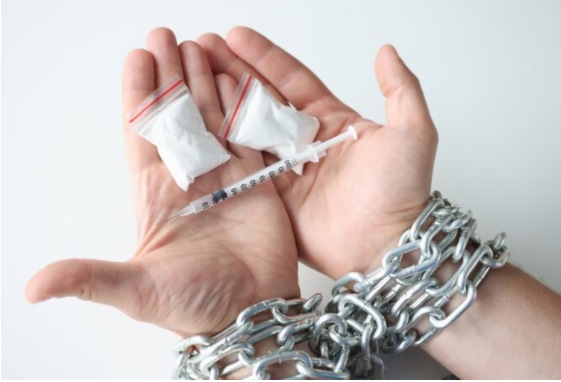


Substance abuse is a challenge that affects millions of people around the world. It can disrupt your health, relationships, work, and overall quality of life. Many individuals feel trapped in cycles of addiction, unsure how to break free. However, seeking help through professional substance abuse treatment can be the first step toward reclaiming control over your life. With the right support and guidance, recovery is possible, and a healthier, more fulfilling future can be achieved.
Understanding Substance Abuse Treatment
Substance abuse treatment is a structured approach designed to help individuals overcome addiction to drugs or alcohol. Treatment programs focus on addressing both the physical dependence on substances and the psychological challenges that contribute to addiction. By providing a safe and supportive environment, these programs help people understand the root causes of their substance use and develop strategies to maintain long-term recovery. Effective substance use treatment combines medical care, counseling, and behavioral therapies to meet the unique needs of each individual.
The Benefits of Professional Support
One of the main advantages of entering a professional substance abuse treatment program is the access to expert care. Medical professionals can manage withdrawal symptoms safely, reducing the physical discomfort associated with stopping substance use. In addition, counselors and therapists provide emotional support, helping individuals work through the mental and emotional aspects of addiction. This guidance empowers people to recognize triggers, cope with cravings, and build healthier habits. Support from trained professionals significantly increases the chances of achieving long-lasting recovery.
Personalized Treatment Plans
No two journeys through recovery are the same, which is why personalized substance use treatment plans are essential. A treatment plan is tailored to an individual’s specific needs, taking into account factors such as the type of substance used, the severity of the addiction, and any underlying mental health conditions. Personalized care ensures that every aspect of the person’s health and wellbeing is addressed. This approach allows for more effective interventions, improving the likelihood of a successful recovery and helping individuals regain stability in their personal and professional lives.
Therapy and Counseling
Therapy and counseling are key components of substance abuse treatment. Cognitive-behavioral therapy (CBT) is often used to help individuals change negative thought patterns and behaviors that contribute to addiction. Group therapy provides opportunities for shared experiences and mutual support, reminding participants that they are not alone in their struggles. Family therapy is another valuable tool, as it helps repair relationships strained by addiction and fosters a supportive home environment. By addressing emotional and psychological factors, therapy strengthens an individual’s ability to maintain sobriety and improve overall mental health.
Building Life Skills for Recovery
Substance use treatment also focuses on helping individuals develop practical life skills that support recovery. Skills such as stress management, healthy communication, and problem-solving play a crucial role in preventing relapse. Many programs include vocational training, education, and social support, helping individuals reintegrate into society with confidence. Learning these skills during treatment equips people to handle everyday challenges without turning to substances, increasing their chances of long-term success and personal growth.
Continuing Support After Treatment
Recovery does not end when a formal treatment program concludes. Aftercare is an essential part of substance abuse treatment, providing ongoing support as individuals adjust to life without substances. This may include outpatient therapy, support groups, or follow-up counseling sessions. Continuing care ensures that individuals have access to resources and guidance when facing challenges, reducing the risk of relapse. Long-term support helps people sustain their progress and continue building a fulfilling, substance-free life.
Conclusion
Substance abuse treatment offers hope and a path to recovery for anyone struggling with addiction. By combining medical care, counseling, personalized plans, and skill-building, substance use treatment addresses the physical, emotional, and social aspects of addiction. Engaging in professional treatment empowers individuals to reclaim control over their lives, rebuild relationships, and achieve lasting well-being. Seeking help is a courageous step, and with the right support, recovery is not only possible—it is a transformative journey toward a healthier and more fulfilling future.