
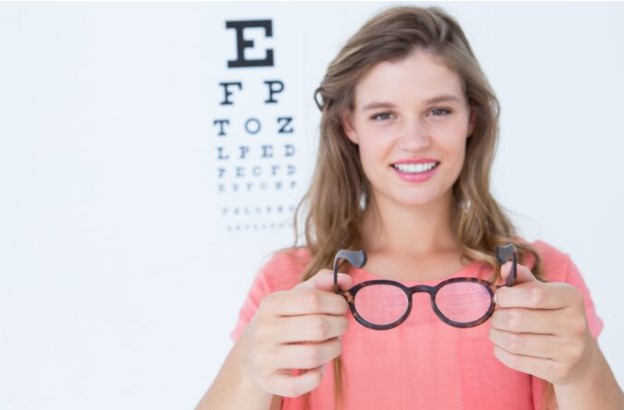


Good vision is an important part of our everyday life, but many people do not realize that eye problems can develop slowly without noticeable symptoms. Regular eye tests play a key role in detecting vision problems early, allowing for timely treatment and better eye health. Understanding the importance of eye tests and how they work can help you take better care of your eyes and maintain clear vision for years to come.
What is an Eye Test?
An eye test is a simple check-up conducted by an optometrist or ophthalmologist to examine your vision and the overall health of your eyes. During an eye test, various methods and tools are used to measure how well you can see at different distances, detect changes in eye structure, and check for early signs of eye conditions. Eye tests are not just for people who wear glasses or contact lenses; they are important for everyone, including children and older adults.
How Eye Tests Detect Vision Problems
Eye tests can help identify common vision problems such as nearsightedness, farsightedness, and astigmatism. These conditions affect the clarity of vision and can make daily tasks like reading, driving, or using a computer more difficult. By detecting these issues early through an eye test, corrective measures such as glasses, contact lenses, or specific treatments can be provided before the problem worsens.
In addition to basic vision problems, eye tests can also detect more serious conditions like glaucoma, cataracts, and macular degeneration. These eye diseases often develop without obvious symptoms in the early stages. Detecting them early through an eye test allows for prompt medical intervention, which can prevent permanent vision loss or complications later.
The Benefits of Regular Eye Tests
Regular eye tests provide many benefits beyond improving your vision. They help maintain overall eye health by identifying conditions that could affect your eyes in the long term. Eye tests can also reveal signs of other health issues such as diabetes, high blood pressure, and cholesterol problems, as these conditions can sometimes affect the blood vessels and nerves in your eyes. By taking an eye test regularly, you can monitor changes in your vision and get advice on how to protect your eyes effectively.
Eye Tests for Different Age Groups
Eye tests are important for all age groups. Children should have eye tests to ensure their eyes are developing properly and to detect any learning-related vision issues early. Adults should continue to have regular eye tests even if they do not experience vision problems, as many eye conditions develop gradually with age. Older adults are especially encouraged to have eye tests frequently because the risk of serious eye diseases increases with age. Each eye test is tailored to the needs of the individual, providing personalized advice and care.
What to Expect During an Eye Test
During a typical eye test, the optometrist will ask about your medical history and any vision concerns. They will then perform several checks, including reading letters on an eye chart, examining the inside of your eyes with special instruments, and testing your eye movement and focus. Some eye tests may also include measuring eye pressure or taking images of the retina to detect early signs of disease. The process is usually quick, painless, and highly informative.
Maintaining Eye Health Between Eye Tests
While regular eye tests are crucial, maintaining eye health in everyday life is equally important. Protecting your eyes from excessive sunlight with sunglasses, taking breaks from screens, eating a balanced diet rich in vitamins, and avoiding smoking are all ways to support healthy vision. If you notice any sudden changes in your vision or discomfort in your eyes, scheduling an eye test promptly can help address the problem before it becomes serious.
Conclusion
Eye tests are a simple yet powerful way to detect vision problems early and maintain healthy eyesight. They help identify both common vision issues and serious eye conditions that may not show symptoms at first. By having regular eye tests and taking care of your eyes in daily life, you can protect your vision, enjoy clearer sight, and prevent potential complications in the future. Everyone, regardless of age or current vision, benefits from making eye tests a routine part of their healthcare.