


Introduction
Life on Earth depends on a remarkable biological process that allows certain organisms to produce their own food. This process, known as autotrophic nutrition, forms the foundation of nearly every food chain and ecosystem. Without it, life as we know it would not exist.
From green plants in forests to microscopic algae in oceans, autotrophs convert simple inorganic substances into complex organic food molecules. In this detailed guide, we will explore the meaning, types, process, examples, importance, and differences related to autotrophic nutrition in a clear and student-friendly way.
What Is Autotrophic Nutrition?
Definition
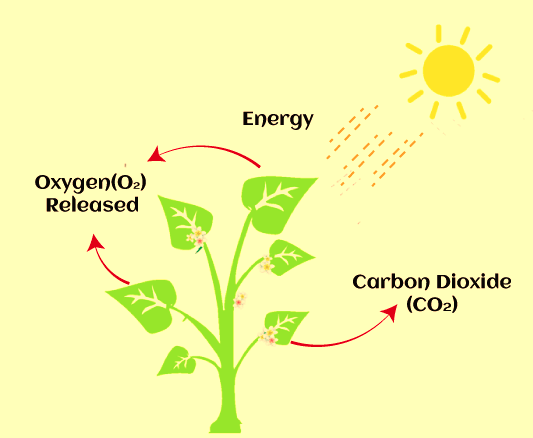
Autotrophic nutrition is a mode of nutrition in which organisms prepare their own food using simple inorganic substances such as carbon dioxide, water, and minerals, with the help of light or chemical energy.
The term comes from:
-
Auto = self
-
Trophic = nourishment
So, autotrophs literally mean “self-feeders.”
What Is Autotrophic Nutrition?
Autotrophic nutrition is the process by which organisms make their own food from inorganic substances using sunlight (photosynthesis) or chemical energy (chemosynthesis).
Characteristics of Autotrophic Organisms
Organisms that follow autotrophic nutrition share several key features:
-
They produce their own food.
-
They use carbon dioxide as a carbon source.
-
They form the base of the food chain.
-
Many contain chlorophyll for photosynthesis.
-
They convert inorganic materials into organic compounds.
Examples include green plants, algae, and certain bacteria.
Types of Autotrophic Nutrition
There are two main types of autotrophic nutrition based on the source of energy used.
1. Photosynthetic Autotrophic Nutrition
This is the most common type.
What Is It?
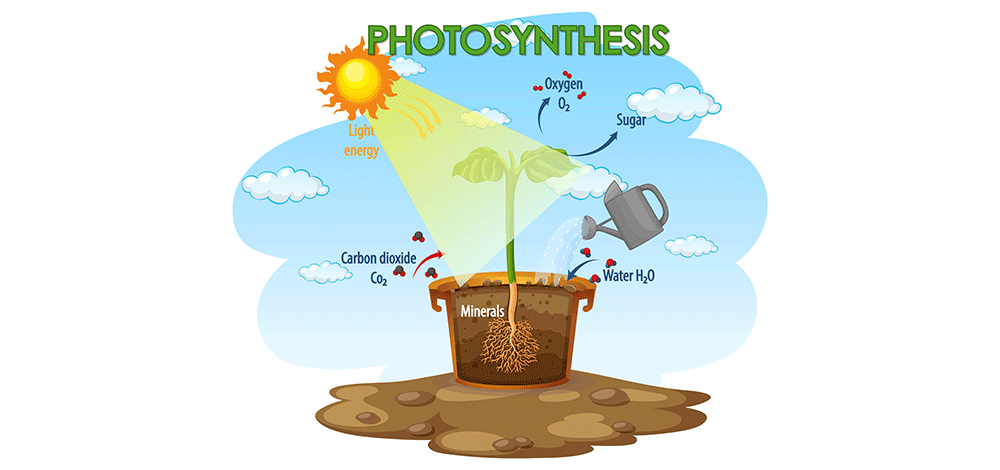
Photosynthetic autotrophs use sunlight as their energy source to convert carbon dioxide and water into glucose.
Where Does It Occur?
-
Green plants
-
Algae
-
Cyanobacteria
Role of Chlorophyll
Chlorophyll is a green pigment found in plant cells that absorbs sunlight and initiates the photosynthesis process.
Photosynthesis Equation
6CO2+6H2O+LightEnergy→C6H12O6+6O26CO₂ + 6H₂O + Light Energy → C₆H₁₂O₆ + 6O₂
Explanation of the Equation
| Component | Role |
|---|---|
| Carbon dioxide (CO₂) | Carbon source |
| Water (H₂O) | Hydrogen source |
| Light energy | Energy input |
| Glucose (C₆H₁₂O₆) | Food produced |
| Oxygen (O₂) | Released as by-product |
Photosynthesis is the most vital example of autotrophic nutrition in nature.
2. Chemosynthetic Autotrophic Nutrition
Unlike photosynthesis, this type does not require sunlight.
What Is Chemosynthesis?
Chemosynthetic organisms obtain energy from chemical reactions involving inorganic substances like ammonia, hydrogen sulfide, or methane.
Examples
-
Nitrifying bacteria
-
Sulfur bacteria
-
Iron bacteria
These organisms are often found in extreme environments like deep-sea vents.
Process of Autotrophic Nutrition in Plants
Let’s understand the step-by-step process involved in plants.
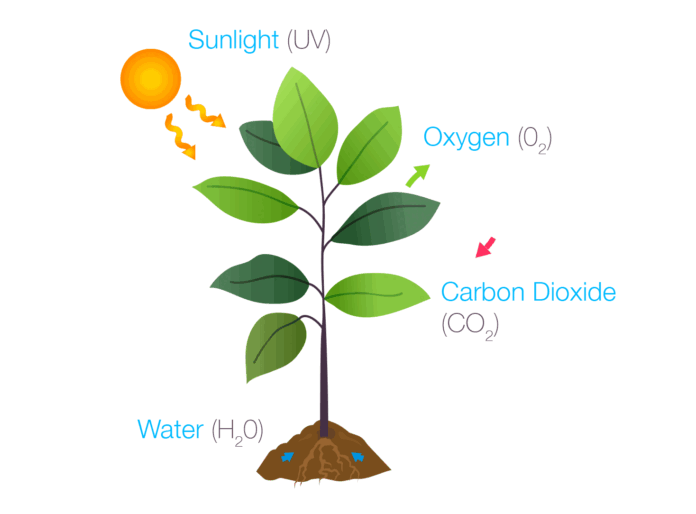
Step 1: Absorption of Raw Materials
Plants absorb:
-
Water from soil through roots
-
Carbon dioxide from air through stomata
Step 2: Capture of Sunlight
Chlorophyll in leaves absorbs light energy from the sun.
Step 3: Conversion into Chemical Energy
Light energy is converted into chemical energy in the form of glucose.
Step 4: Release of Oxygen
Oxygen is released into the atmosphere as a by-product.
This entire mechanism represents autotrophic nutrition in green plants.
Examples of Autotrophic Nutrition in Nature
Here are common examples:
1. Green Plants
Plants like mango trees, grass, and wheat produce food through photosynthesis.
2. Algae
Microscopic aquatic plants that contribute significantly to global oxygen production.
3. Cyanobacteria
Also called blue-green algae, these bacteria perform photosynthesis.
4. Chemosynthetic Bacteria
Found in extreme environments, they survive without sunlight.
Difference Between Autotrophic and Heterotrophic Nutrition
Understanding the difference is important in biology.
| Feature | Autotrophic Nutrition | Heterotrophic Nutrition |
|---|---|---|
| Food Source | Self-prepared | Depends on others |
| Energy Source | Sunlight/chemical | Organic food |
| Examples | Plants, algae | Humans, animals |
| Role in Food Chain | Producers | Consumers |
While autotrophic nutrition allows organisms to make food, heterotrophs must consume others for survival.
Importance of Autotrophic Nutrition
The significance of autotrophic nutrition extends far beyond plants.
1. Base of Food Chain
Autotrophs are primary producers. All animals depend directly or indirectly on them.
2. Oxygen Production
Photosynthesis releases oxygen essential for respiration.
3. Carbon Cycle Regulation
Autotrophs absorb carbon dioxide, reducing greenhouse gas levels.
4. Energy Flow in Ecosystem
They convert solar energy into chemical energy, initiating energy transfer.
Advantages of Autotrophic Nutrition
-
Independence from other organisms
-
Sustainable food production
-
Environmental balance
-
Oxygen generation
Limitations of Autotrophic Nutrition
-
Dependent on sunlight (for photosynthesis)
-
Sensitive to environmental conditions
-
Slower energy production compared to consuming ready-made food
Environmental Role of Autotrophs
Autotrophs maintain ecological stability by:
-
Supporting biodiversity
-
Preventing carbon buildup
-
Maintaining atmospheric oxygen
-
Sustaining herbivores
Forests, grasslands, and oceans rely heavily on autotrophic nutrition processes.
Detailed Comparison Table: Photosynthesis vs Chemosynthesis
| Feature | Photosynthesis | Chemosynthesis |
|---|---|---|
| Energy Source | Sunlight | Chemical reactions |
| Chlorophyll Required | Yes | No |
| Oxygen Produced | Yes | No |
| Common Organisms | Plants, algae | Deep-sea bacteria |
| Environment | Sunlit areas | Dark environments |
Both types are forms of autotrophic nutrition, differing only in energy source.
Frequently Asked Questions
1. What Are Autotrophs?
Autotrophs are organisms that produce their own food using light or chemical energy.
2. Can Humans Perform Autotrophic Nutrition?
No. Humans are heterotrophs because we depend on other organisms for food.
3. Where Does Photosynthesis Occur?
It occurs in chloroplasts within plant cells.
4. Why Is Autotrophic Nutrition Important?
It sustains life by producing food and oxygen.
Real-Life Applications
Understanding autotrophic nutrition helps in:
-
Agricultural improvements
-
Climate change research
-
Biofuel production
-
Environmental conservation
Scientists study photosynthesis to improve crop yields and reduce global hunger.
Role in Climate Change
Autotrophic organisms absorb carbon dioxide, helping reduce atmospheric greenhouse gases. Large forests and ocean algae play a major role in climate regulation.
Deforestation directly impacts global carbon balance because it reduces autotrophic activity.
Autotrophic Nutrition in Aquatic Ecosystems
In oceans:
-
Phytoplankton perform photosynthesis.
-
They produce nearly 50% of Earth’s oxygen.
-
They form the base of marine food chains.
This shows how critical autotrophic nutrition is even beyond land ecosystems.
Summary
Let’s quickly recap:
-
Autotrophic nutrition allows organisms to produce their own food.
-
It occurs in two types: photosynthetic and chemosynthetic.
-
It forms the base of food chains.
-
It produces oxygen essential for life.
-
It regulates the carbon cycle.
Without this natural process, higher life forms could not survive.
Conclusion
The natural world operates on delicate biological systems, and autotrophic nutrition is one of the most important among them. From the smallest algae cell to the largest forest ecosystem, this process fuels life on Earth.
Understanding it not only strengthens academic knowledge but also builds awareness about environmental conservation and sustainability. As climate change and ecological imbalance become global concerns, protecting autotrophic organisms like forests and marine plants becomes more important than ever.
In conclusion, autotrophs are the silent providers of life, continuously converting simple elements into energy-rich food and oxygen. Their contribution sustains every living organism on this planet.
Read More:-24/7 Pediatric Urgent Care Near Me for Immediate Treatment