


Introduction
Most of us rarely think about our liver — until something goes wrong. It quietly works behind the scenes every single day, filtering toxins, processing nutrients, storing energy, and helping your body function smoothly.
But when excess fat starts building up inside this hardworking organ, it can lead to fatty liver disease — a condition that is becoming increasingly common across the world. The surprising part? Many people who have it don’t even know it.
The good news is that in most cases, fatty liver disease is preventable and even reversible — especially when caught early. Let’s break it down in simple, clear terms so you can understand what’s happening and what you can do about it.
What Is Fatty Liver Disease?
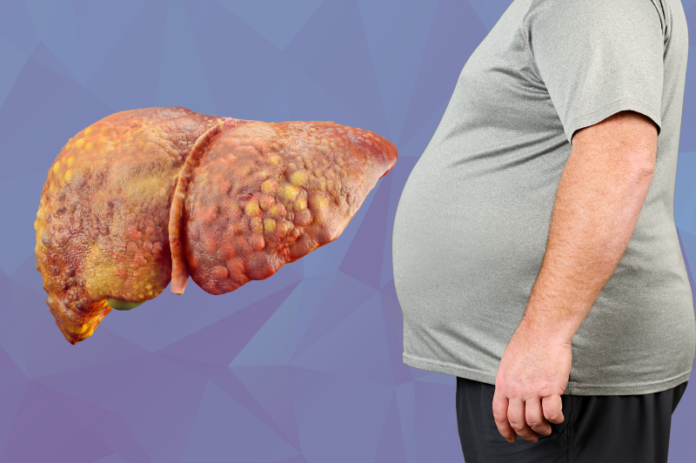
Fatty liver disease happens when too much fat accumulates in liver cells. A small amount of fat is completely normal. But when fat makes up more than 5–10% of your liver’s weight, it becomes a problem.
There are two primary types:
-
Non-alcoholic fatty liver disease (NAFLD) – Not related to alcohol use
-
Alcoholic fatty liver disease (AFLD) – Caused by heavy drinking
Today, the non-alcoholic form is far more common and is closely linked to modern lifestyle habits — processed foods, sugary drinks, lack of movement, and rising obesity rates.
Why Is Fatty Liver Disease So Common Now?
Our daily habits have changed dramatically over the past few decades:
-
More processed foods
-
Higher sugar consumption
-
Long hours sitting at desks
-
Less physical activity
-
Increased stress
All of these factors contribute to weight gain and metabolic problems, which increase the risk of fatty liver disease.
Even people who look “normal weight” can develop it if they have high visceral fat (deep belly fat) or insulin resistance.
The Different Stages of Fatty Liver Disease
Understanding the stages helps you see why early action matters.
| Stage | What Happens | Can It Be Reversed? |
|---|---|---|
| Stage 1 | Fat builds up (Simple fatty liver) | Yes |
| Stage 2 | Inflammation begins (NASH) | Often |
| Stage 3 | Scar tissue forms (Fibrosis) | Sometimes |
| Stage 4 | Severe scarring (Cirrhosis) | Rarely |
Stage 1: Simple Fatty Liver
At this stage, fat is present but there is little to no inflammation. Most people feel completely normal. This stage is highly reversible.
Stage 2: NASH (Inflammation)
Here, fat starts irritating the liver cells. Inflammation develops and damage begins. This stage needs medical attention and lifestyle correction.
Stage 3: Fibrosis
Scar tissue forms around damaged cells. The liver still works, but less efficiently.
Stage 4: Cirrhosis
Severe scarring affects liver function significantly. Complications like liver failure or liver cancer can develop.
The earlier you catch fatty liver disease, the easier it is to manage.
What Causes Fatty Liver Disease?
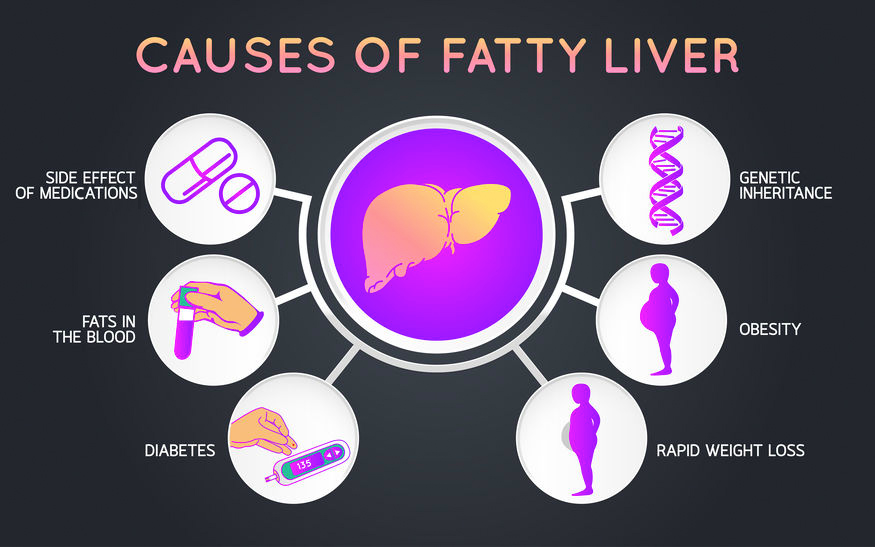
There isn’t just one cause. It usually develops due to a combination of factors:
-
Obesity or excess belly fat
-
Type 2 diabetes
-
High cholesterol or triglycerides
-
Poor diet (high sugar, refined carbs, fried food)
-
Sedentary lifestyle
-
Excess alcohol consumption
-
Genetic predisposition
One major trigger is insulin resistance. When your body doesn’t respond properly to insulin, it stores more fat — including in the liver.
Symptoms: Why It’s Called a “Silent” Condition
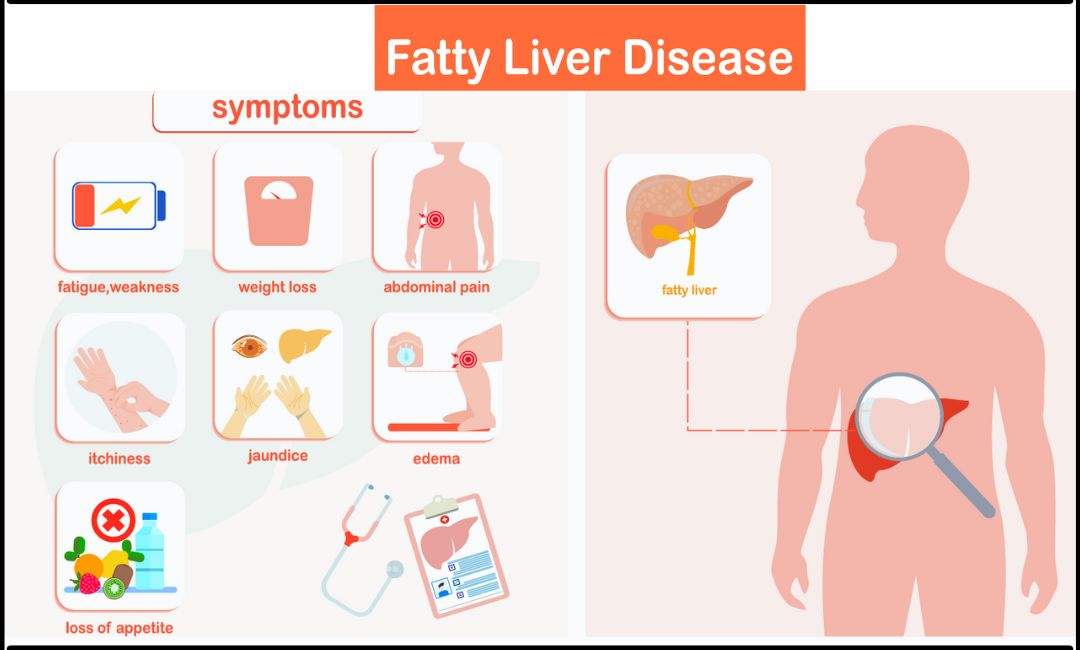
Most people with fatty liver disease experience no symptoms in the early stages.
When symptoms do appear, they may include:
-
Persistent fatigue
-
Mild discomfort in the upper right abdomen
-
Brain fog
-
Unexplained weakness
In advanced stages, more serious symptoms can occur:
-
Swelling in the legs
-
Yellowing of the skin or eyes
-
Easy bruising
Because it’s often silent, routine blood tests and health checkups are extremely important.
How Is Fatty Liver Disease Diagnosed?
Doctors typically use:
Blood Tests
Elevated liver enzymes may signal inflammation.
Imaging Tests
Ultrasound is most common, but CT scans and MRIs can also detect fat buildup.
Liver Biopsy
Used in more advanced or uncertain cases to check for inflammation and scarring.
Many people discover they have fatty liver disease during a routine health exam.
Is Fatty Liver Disease Dangerous?
It can be — especially if ignored.
Possible complications include:
-
Cirrhosis
-
Liver failure
-
Liver cancer
-
Increased risk of heart disease
In fact, heart disease is one of the leading risks in people with fatty liver disease because the condition is closely linked to metabolic health problems.
The Role of Diet in Recovery
If there’s one powerful tool you have, it’s your plate.
Best Foods for Liver Health
-
Leafy greens (spinach, kale)
-
Whole grains (brown rice, oats)
-
Fatty fish (salmon, sardines)
-
Nuts and seeds
-
Olive oil
-
Fruits like berries
-
Lentils and beans
Foods to Limit or Avoid
-
Sugary beverages
-
White bread and refined flour
-
Deep-fried foods
-
Processed meats
-
Excess alcohol
-
Packaged snacks
Small daily improvements make a big difference over time.
Simple Liver-Friendly Daily Plan
| Meal | Example |
|---|---|
| Breakfast | Oats with nuts and fruit |
| Lunch | Grilled vegetables, dal, brown rice |
| Snack | Handful of almonds |
| Dinner | Grilled fish or paneer with salad |
| Drinks | Water, herbal tea |
Consistency matters more than perfection.
Lifestyle Changes That Truly Work
1. Lose 7–10% of Body Weight
Even modest weight loss can significantly reduce liver fat.
2. Move Your Body
You don’t need extreme workouts. Start with:
-
30 minutes of brisk walking
-
5 days a week
-
Add strength training twice weekly
3. Control Blood Sugar
If you have diabetes or prediabetes, managing blood sugar is essential for improving fatty liver disease.
4. Reduce Alcohol
If alcohol is contributing, stopping or significantly reducing intake is crucial.
Can Fatty Liver Disease Be Reversed?
Yes — especially in early stages.
Many people see improvement within a few months of making consistent lifestyle changes. The liver is incredibly resilient and has strong healing abilities.
However, once cirrhosis develops, damage may not be fully reversible. That’s why early awareness is key.
Quick Answers
What is the main cause of fatty liver disease?
The most common cause is excess body fat and insulin resistance, often linked to poor diet and lack of physical activity.
How long does it take to improve fatty liver?
Liver fat can begin decreasing within weeks of lifestyle changes, but noticeable improvement usually takes several months.
Can skinny people get fatty liver disease?
Yes. Even individuals with normal weight can develop it if they have metabolic issues or high visceral fat.
Prevention Is Easier Than Treatment
Here’s how you can protect your liver:
-
Maintain a healthy weight
-
Eat whole, unprocessed foods
-
Exercise regularly
-
Limit sugar and refined carbs
-
Avoid excessive alcohol
-
Get annual health checkups
Think of it as long-term investment in your health.
Conclusion
Fatty liver disease may sound scary, but it doesn’t have to define your health story. In most cases, it develops slowly — and that means you have time to take action.
Your liver is remarkably strong and capable of healing when given the right support. Small, steady changes in diet, movement, and daily habits can completely transform your liver health over time.
The key is not waiting until symptoms appear. Listen to your body, prioritize regular checkups, and take proactive steps today.
Your liver works hard for you every day. It deserves the same care in return.