
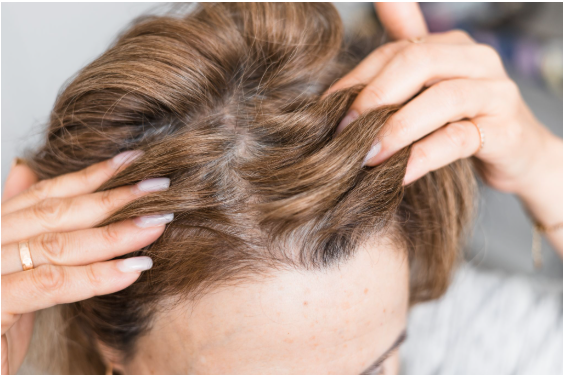


A scalp that feels tight, itchy or flaky is often described as dry, but the cause is not always a lack of moisture. Residue from shampoos, conditioners, styling products and even hard water can collect on the scalp and produce symptoms that look very similar. Since the two problems call for different approaches, working out which one you are dealing with is the first step in choosing a scalp treatment for dry scalp or adjusting your routine at home. Looking closely at the flakes, how the scalp feels and what happens after washing can offer some clues.
Signs of Product Build-Up
Build-up happens when products are not fully rinsed away or are applied more often than the scalp can clear them. It tends to show up in ways like these:
- Flakes that look waxy, sticky or clumped together rather than fine and powdery.
- Hair that feels coated, heavy or limp soon after washing.
- Itching that is concentrated where styling products, dry shampoo or oils are applied.
- A dull film or residue visible along the parting.
- Symptoms that ease for a day after a thorough wash, then return quickly.
- Heavy use of silicone-based conditioners, serums or sprays.
Signs of Moisture Loss
A scalp that is losing moisture lacks the oils and water it needs to stay soft and supple. This is common after harsh washing, frequent heat styling or long hours in air-conditioned rooms, and tends to produce signs such as these:
- Small, white, powdery flakes that fall easily onto clothing.
- A tight or stretched feeling, especially after washing.
- Dry, rough skin elsewhere on the body, such as the face or hands.
- Hair that looks frizzy or brittle rather than weighed down.
- Discomfort that worsens with hot showers or frequent shampooing.
- Flaking that tends to increase after swimming or time in the sun.
How the Two Compare
Clinics offering scalp treatment in Singapore usually begin by examining the scalp, sometimes under magnification, to see which pattern is present. The comparison below outlines differences that may help you prepare for that conversation:
| Factor | Product Build-Up | Moisture Loss |
| Usual trigger | Overuse of products or incomplete rinsing | Over-washing, heat or low humidity indoors |
| Scalp oil level | Often normal or oily underneath the residue | Usually low |
| Washing frequency | May be too infrequent for the products used | May be too frequent |
| At-home adjustment | Clarifying wash and fewer products | Milder shampoo, cooler water and fewer washes |
| Seasonal pattern | Little change from month to month | Often worse in drier weather or with long hours of air-conditioning |
| Typical salon or clinic approach | Scalp exfoliation or deep cleansing | Hydrating or soothing scalp masks |
A Two-Week Scalp Diary
Since symptoms can overlap, tracking your scalp over a short period can make the cause easier to identify. Over two weeks, note details like these:
- Which products you used each day and how much.
- How many days passed between washes.
- What the flakes looked like on each day.
- Whether the scalp felt oily, tight or itchy, and when.
- Any changes in water temperature, weather or time spent in air-conditioning.
- Photos of the flakes or parting taken in similar lighting.
Next Steps for an Itchy, Flaky Scalp
Product build-up and moisture loss can both leave the scalp flaky and uncomfortable, but they respond to different changes in routine. Adjusting how often you wash, which products you use and how thoroughly you rinse may be enough to ease mild symptoms. If flaking persists, spreads, or comes with redness, pain or hair loss, a doctor or dermatologist can check for conditions such as seborrhoeic dermatitis or psoriasis, which need separate care and may not improve with routine changes alone.
Speak with Bio Organicare and discover a scalp treatment for your dry, flaky scalp.